Using a Dehumidifier in Your Crawl Space Without Encapsulation: Effective Moisture Control
Spencer Turner • October 23, 2023

Welcome to our informative blog series on "Using a Dehumidifier in Your Crawl Space Without Encapsulation: Effective Moisture Control." In this series, we'll delve into the practical and beneficial aspects of utilizing a dehumidifier to manage moisture levels in your crawl space, even if encapsulation is not part of your strategy. Discover how a dehumidifier can play a crucial role in preventing mold growth, structural damage, and improving indoor air quality without the need for a complete encapsulation process.


Why Choose Dehumidifiers for Moisture Management in Unencapsulated Crawl Spaces

Opting for dehumidifiers to manage moisture in unencapsulated crawl spaces offers a practical and effective solution for maintaining a dry and healthy environment. While encapsulation provides comprehensive protection, dehumidifiers can be a more accessible and budget-friendly choice. They work by extracting excess moisture from the air, preventing the buildup of dampness that can lead to mold growth, wood rot, and structural issues. This approach is especially beneficial if encapsulation isn't feasible due to budget constraints or structural limitations.


Furthermore, dehumidifiers offer targeted moisture control without altering the structural dynamics of your crawl space. They can be strategically placed in central locations, efficiently managing humidity levels without the need for extensive modifications. Dehumidifiers also contribute to improved indoor air quality by reducing the potential for mold spores and allergens to circulate through your home. Ultimately, choosing dehumidifiers for moisture management in unencapsulated crawl spaces offers an effective and versatile method to combat moisture-related problems and create a healthier living environment.

Benefits of Installing Dehumidifiers for Moisture Control in Unencapsulated Crawl Spaces

Installing dehumidifiers in unencapsulated crawl spaces comes with a host of benefits that contribute to a more comfortable and healthier living environment. First and foremost, these devices effectively combat excess moisture, which can lead to a range of issues such as mold growth, wood rot, and musty odors. By maintaining optimal humidity levels, dehumidifiers help prevent these problems from taking root, extending the longevity of your crawl space and the overall integrity of your home.


Additionally, dehumidifiers play a crucial role in
enhancing indoor air quality. Excess moisture in crawl spaces can lead to the proliferation of mold spores and allergens, which can then make their way into your home's air circulation. Installing dehumidifiers helps mitigate this risk, reducing the potential for respiratory issues and allergy flare-ups. As a cost-effective alternative to encapsulation, dehumidifiers provide a targeted and efficient solution for moisture management, ensuring that your crawl space remains dry, well-ventilated, and free from the damaging effects of excess humidity.

Key Factors to Consider When Using Dehumidifiers in Crawl Spaces Without Encapsulation

When utilizing dehumidifiers in crawl spaces without encapsulation, several key factors should be taken into consideration to ensure their effectiveness. First and foremost, proper placement is essential. Position the dehumidifiers in central locations within the crawl space to maximize their coverage and ensure even moisture removal. This strategic placement allows the dehumidifiers to efficiently draw in humid air and expel dry air, contributing to a balanced humidity level.


Another critical factor is the size and capacity of the dehumidifiers. Choose units that are appropriate for the square footage of your crawl space and the humidity levels present. Undersized dehumidifiers may struggle to manage moisture effectively, while oversized units can lead to excessive energy consumption. Regular maintenance, including cleaning the filters and inspecting the drainage system, is essential to ensure optimal performance over time. By carefully considering these factors, you can harness the power of dehumidifiers to effectively manage moisture in your crawl space without the need for encapsulation, fostering a healthier and more comfortable home environment.

FAQs

  • Do I really need to install a dehumidifier in my crawl space?

    Yes, you can. Dehumidifiers are an effective tool for moisture control in crawl spaces even without full encapsulation. They help prevent mold growth, wood decay, and other moisture-related issues by reducing humidity levels.

  • Do I need a professional to install a dehumidifier in my crawl space?

    While some homeowners may have the skills to install a dehumidifier themselves, it's recommended to consult professionals, especially if you're unfamiliar with crawl space conditions, electrical connections, or drainage systems. Professionals can ensure proper installation and efficient operation.

  • Will a dehumidifier improve the indoor air quality in my home?

    Yes, using a dehumidifier in your crawl space without encapsulation can improve indoor air quality. By preventing mold spores and allergens from proliferating in the crawl space and entering your home's air circulation, dehumidifiers contribute to a healthier living environment.

  • How do I choose the right dehumidifier for my crawl space?

    Consider the square footage of your crawl space, humidity levels, and environmental conditions when choosing a dehumidifier. Match the unit's size and capacity to your crawl space's needs, and make sure to place it strategically for optimal moisture removal.

  • Are there any ongoing maintenance tasks for crawl space dehumidifiers?

    Yes, regular maintenance is crucial for optimal performance. This includes cleaning or replacing filters, inspecting drainage systems for blockages, and checking electrical connections periodically. Following the manufacturer's maintenance guidelines is essential for the long-term effectiveness of your dehumidifier.

Telephone receiver with a speech bubble containing three dots.

Contact EAS Environmental Today!

EAS Environmental will do everything we can to ensure your experience with us is excellent.

CALL US NOW

Request A FREE Estimate

Request a Free Estimate Form

Checkout Recent Post
By Spencer Turner July 23, 2026
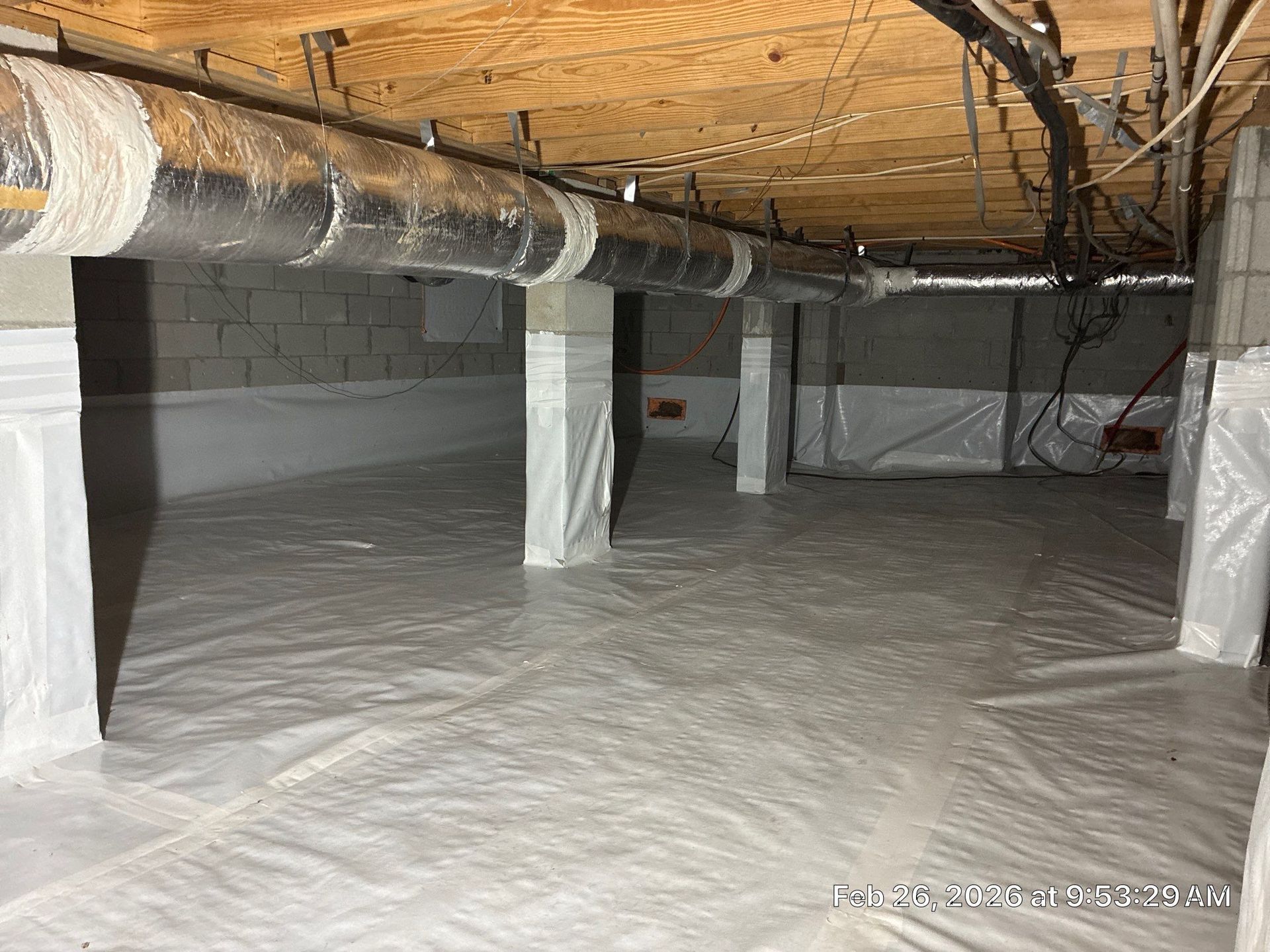
If you've discovered mold in your crawlspace, you may wonder whether it can affect the air quality inside your home. In many cases, YES - it can . Many homes naturally move air from the crawlspace into the living areas through a process commonly referred to as the stack effect . As warm air rises and exits the upper portions of a home, it can draw air upward from the crawlspace. If mold growth or excessive moisture is present beneath the home, mold spores, elevated humidity, and musty odors may enter the living space and contribute to indoor air quality concerns. Signs Your Crawlspace May Have a Moisture or Mold Problem While these signs do not necessarily confirm the presence of mold, they may indicate excess moisture or conditions that support microbial growth: Persistent musty odors inside the home Sustained elevated indoor humidity (greater than 60% Relative Humidity) Visible mold or mold/water staining near floor vents, baseboards, or crawlspace framing Damp, fallen, or deteriorated insulation Condensation or standing water beneath the home A professional inspection is the best way to determine the cause and extent of the problem. Why Does Mold Grow in Crawlspaces? Mold requires moisture to grow. Common sources of moisture include: Poor site drainage around the foundation Plumbing leaks Sustained high relative humidity (over 60%) Ground moisture or standing water Inadequate vapor barriers or moisture control systems Improper crawlspace ventilation Unless the moisture source is corrected, mold growth may continue or reoccur after remediation. Why Moisture Control Matters Effective mold remediation involves more than removing visible growth. Source removal is required in two ways. 1) the water source must be mitigated or removed (overflow, pipe leak/break, or high relative humidity), and 2) the mold spores (source of contamination) must be completely removed. Industry standards emphasize identifying and correcting the underlying moisture source before remediation, as to not promote recurrence. Addressing moisture helps reduce the likelihood of recurring mold growth and supports long-term crawlspace stability. Depending on the property's conditions, solutions may include plumbing repairs, drainage improvements, vapor barriers, crawlspace encapsulation (with dehumidification), or other moisture control measures. When Should You Have Your Crawlspace Inspected? Consider scheduling a professional crawlspace inspection if you notice: Persistent musty odors Visible mold or suspected microbial growth Water intrusion or standing water High indoor relative humidity Signs of moisture damage beneath the home Concerns about the condition of your crawlspace following heavy rain or plumbing leaks A qualified inspection can help determine whether moisture or mold is present and identify the most appropriate corrective measures. How EAS Environmental Can Help EAS Environmental provides the most detailed and well documented (photos, videos, and field notes) professional crawlspace inspections, mold remediation, moisture control, and crawlspace encapsulation services. Our team focuses on identifying the source of moisture, developing an appropriate repair plan, mitigation plan, and/or remediation plan, and helping property owners restore crawlspace conditions using industry-recognized restoration practices. If you're experiencing musty odors, moisture issues, or suspect mold beneath your home, contact EAS Environmental to schedule a professional assessment.
Mold
By Spencer Turner April 8, 2026
Water damage can happen unexpectedly—from burst pipes and leaking appliances, to severe storms and flooding. While the immediate concern is often structural damage, another serious issue can develop quickly: mold growth. Many property owners are surprised to learn just how fast mold can begin to grow after water exposure. Understanding the timeline of mold growth and the importance of quick action can help protect both your property and your health. How Quickly Can Mold Grow After Water Damage? Mold can begin growing within 24 to 48 hours after water damage occurs. When moisture is present and the environment is warm and humid, mold spores—which naturally exist in the air—can quickly settle and begin to grow on damp surfaces. The mold growth timeline typically looks like this: First 24 Hours Materials such as drywall, wood, carpet, and insulation begin absorbing moisture. Mold spores may settle in damp areas. 24–48 Hours Mold colonies can begin forming. Musty odors may start to develop. Materials begin to swell, warp, or lose integrity. 48–72 Hours Mold growth becomes more visible. Spores begin spreading to nearby surfaces. Air quality begins to noticeably decline. Certain materials may no longer be salvageable. 3–7 Days Mold colonies expand rapidly. Structural materials may begin deteriorating. Strong, persistent odors develop throughout the space. Contamination can spread into HVAC systems. Because of this rapid growth timeline, immediate water extraction and drying are critical to prevent further damage, limit mold development, and improve the chances of salvaging affected materials.
By Spencer Turner January 23, 2026
When people hear the word “asbestos,” it can feel intimidating—and for good reason. Asbestos-Containing Materials (ACMs) must be handled carefully, even when they’re considered non-friable. The key is experience, preparation, and strict control throughout the entire process. At EAS Environmental, we provide asbestos abatement services throughout both South Carolina and Georgia. We use the information we are given by the Client to come up with a stellar Scope of Work including engineering controls, removal/abatement protocols, and disposal methods. Our goal is to help you understand how professional abatement is planned, executed, and verified, so that you can make the right decision when deciding who to hire as an abatement contractor. Abstract: EAS Environmental completed a Class II, non-friable Category II asbestos abatement project at a commercial facility in Savannah, GA, involving the controlled removal of asbestos-containing Transite wall panels. In this case study, we will outline the process of how our team prepared the regulated area, used engineering controls like containment barriers and HEPA filtration, the methods we used in order to remove panels while intact, packaged waste correctly for disposal, and followed documentation and inspection procedures to ensure a safe, compliant close-out. This article emphasizes the importance of the amount of care that these types of abatement projects require.
By Spencer Turner December 2, 2025
In today’s world, we believe that true success comes from more than just business growth — it’s about giving back and making a real difference where we live and work. At EAS Environmental LLC, we’re proud to be a full-service disaster restoration and environmental remediation company based in the Charleston, South Carolina region. While our work focuses on restoration, abatement, and remediation, our mission goes far beyond that. Every project we take on is driven by a deeper purpose: to help build safer, healthier environments for our neighbors, especially those most vulnerable to environmental risks. Below we’ll explore how EAS Environmental is making a difference — and then identify five key pillars of corporate responsibility in action.
SEE MORE

Got a Question? We’re Here to Help.

You can arrange an appointment or make an enquiry by phone or email, orget in touch to us via our contact form.
CONTACT US TODAY