How EAS Environmental LLC Is Making a Difference in the Community
Spencer Turner • December 2, 2025

In today’s world, we believe that true success comes from more than just business growth — it’s about giving back and making a real difference where we live and work. At EAS Environmental LLC, we’re proud to be a full-service disaster restoration and environmental remediation company based in the Charleston, South Carolina region. While our work focuses on restoration, abatement, and remediation, our mission goes far beyond that. Every project we take on is driven by a deeper purpose: to help build safer, healthier environments for our neighbors, especially those most vulnerable to environmental risks. Below we’ll explore how EAS Environmental is making a difference — and then identify five key pillars of corporate responsibility in action.

1. Building healthier early-learning environments
One of our most impactful collaborations has been with Bright Oak Preschool Academy, where our team — led by Spencer Turner — provided environmental restoration and construction services to help the school achieve the Eco-Healthy Child Care® (EHCC) endorsement. Bright Oak is the first child-care facility in the Lowcountry to earn this milestone.


The EHCC program reduces exposure to harmful toxicants such as lead, mercury, mold, and other indoor environmental hazards. Supporting this project reinforced a core belief at EAS:

 healthy learning environments build strong futures.

2. Supporting families impacted by disaster

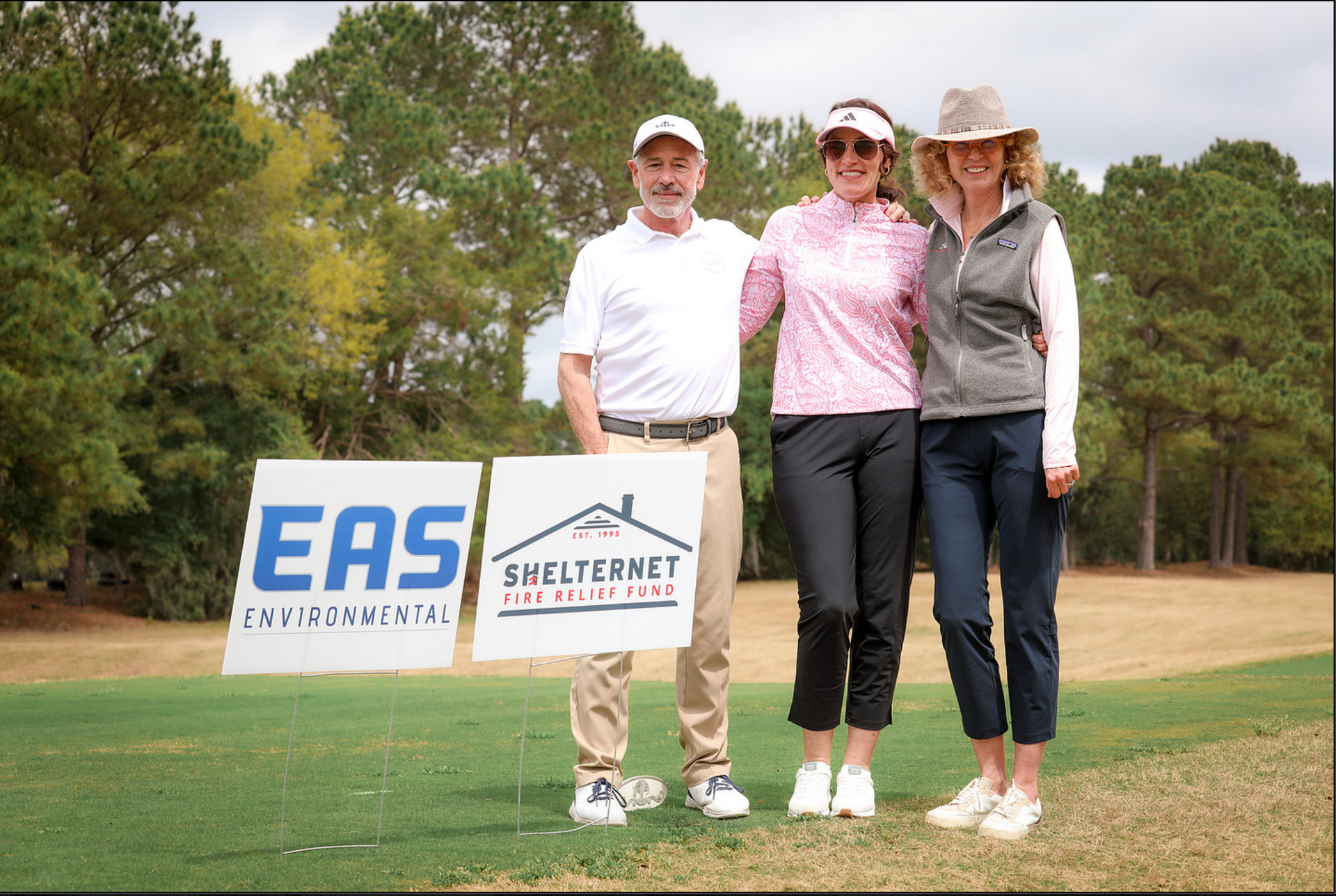
When fire or flood strikes, families face more than structural loss — they face emotional and financial challenges. In response, EAS proudly partnered with the Humanities Foundation to launch the ShelterNet Fire Relief Fund, supporting uninsured renters in the Charleston tri-county area.

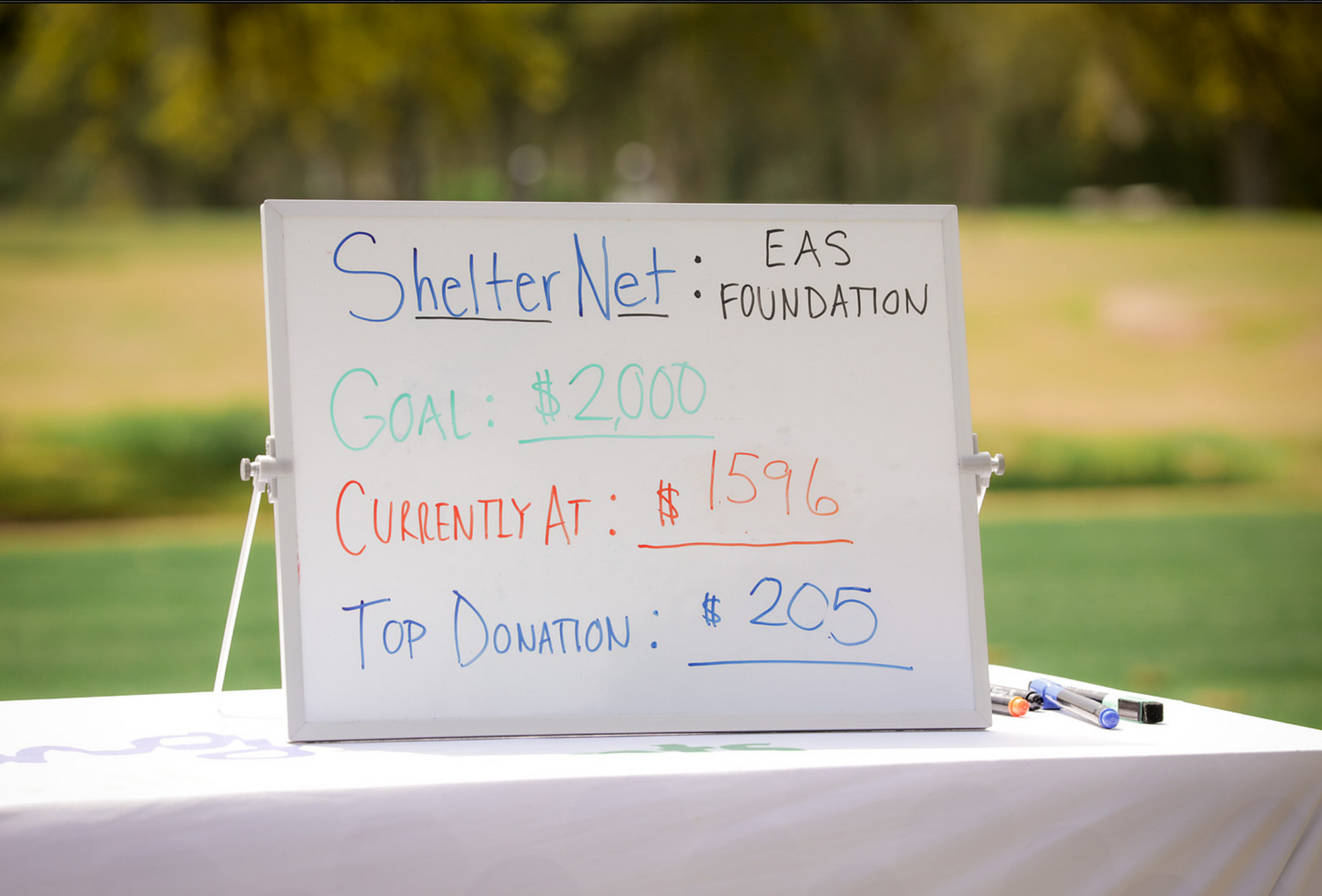
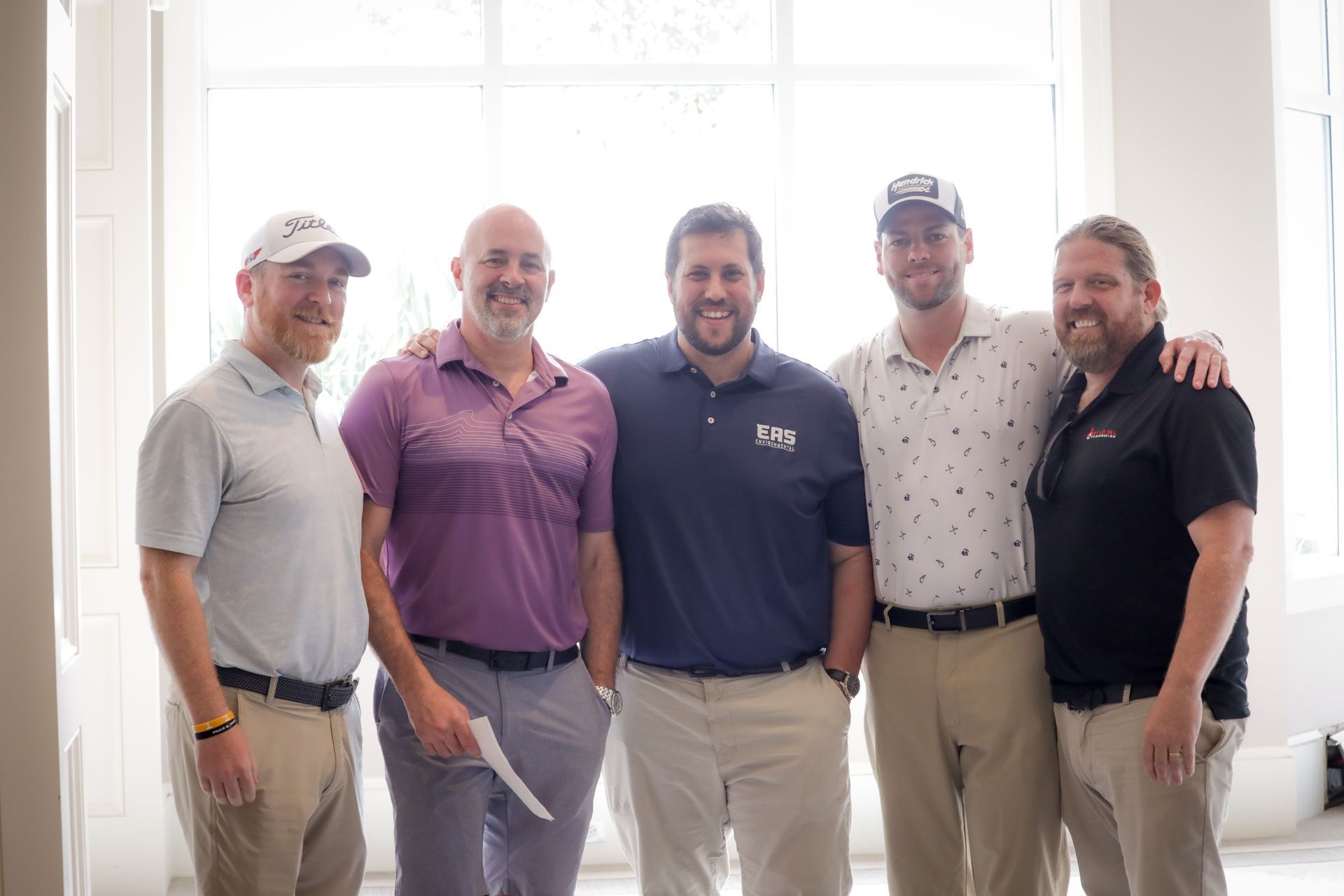
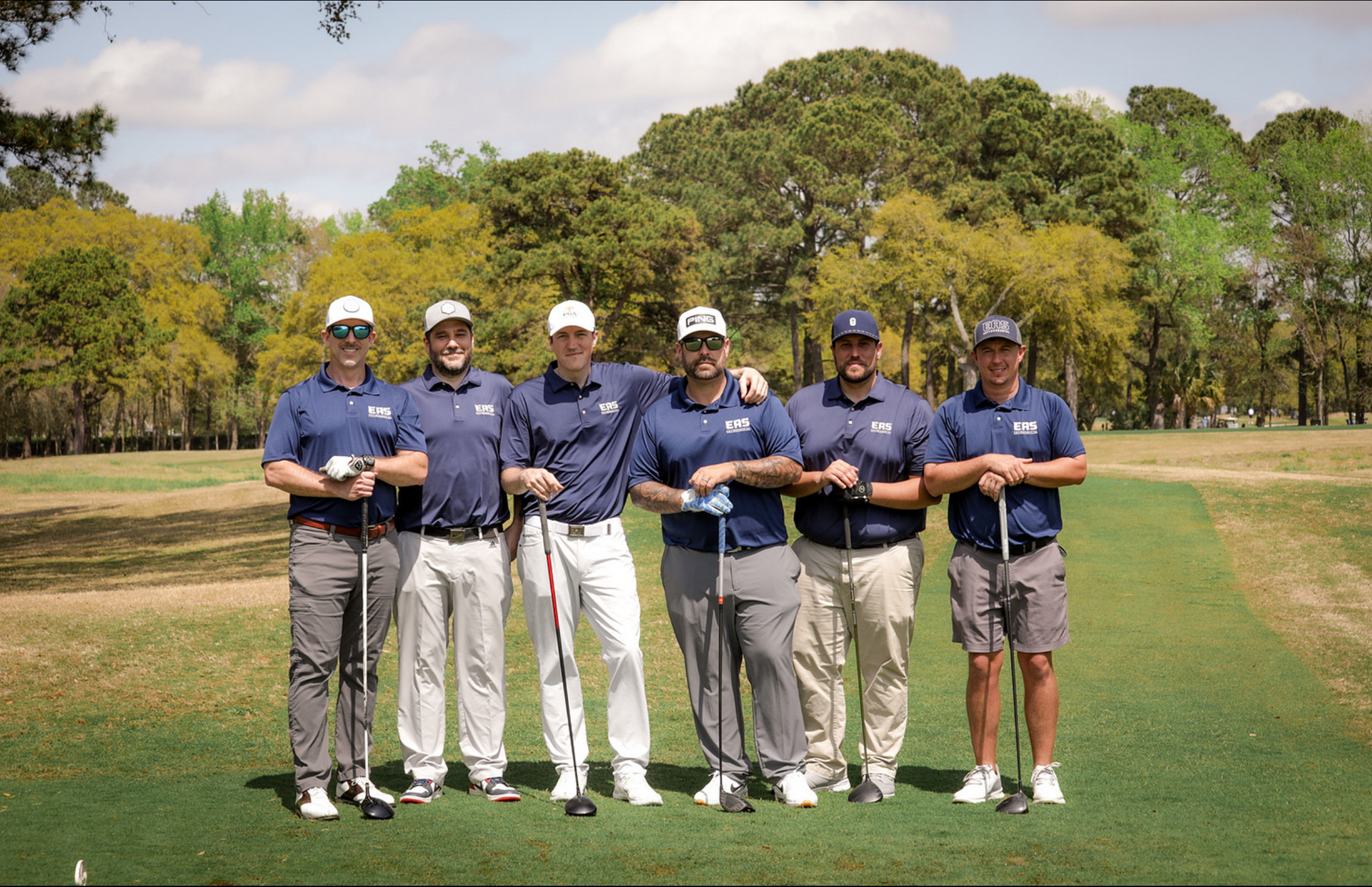
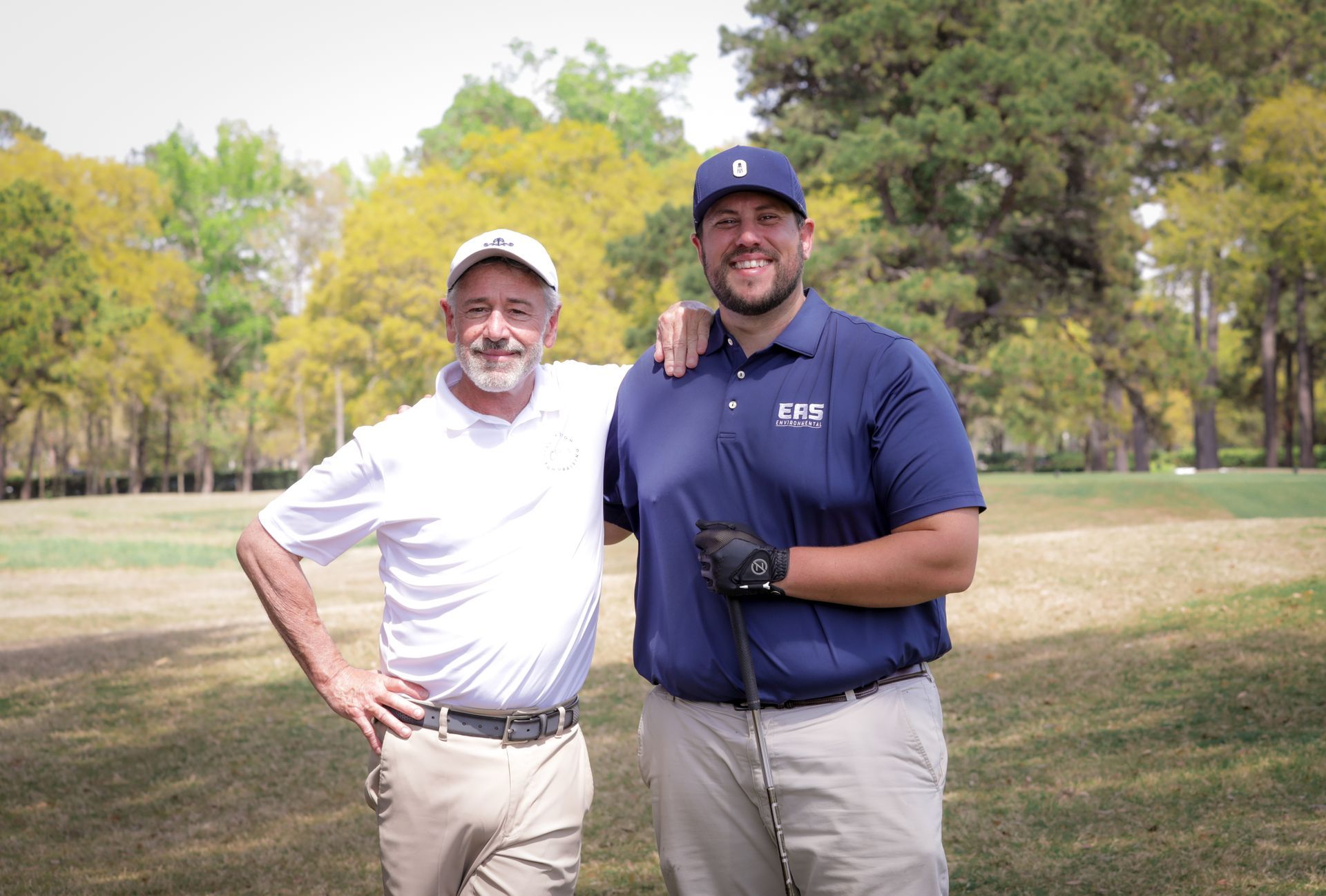
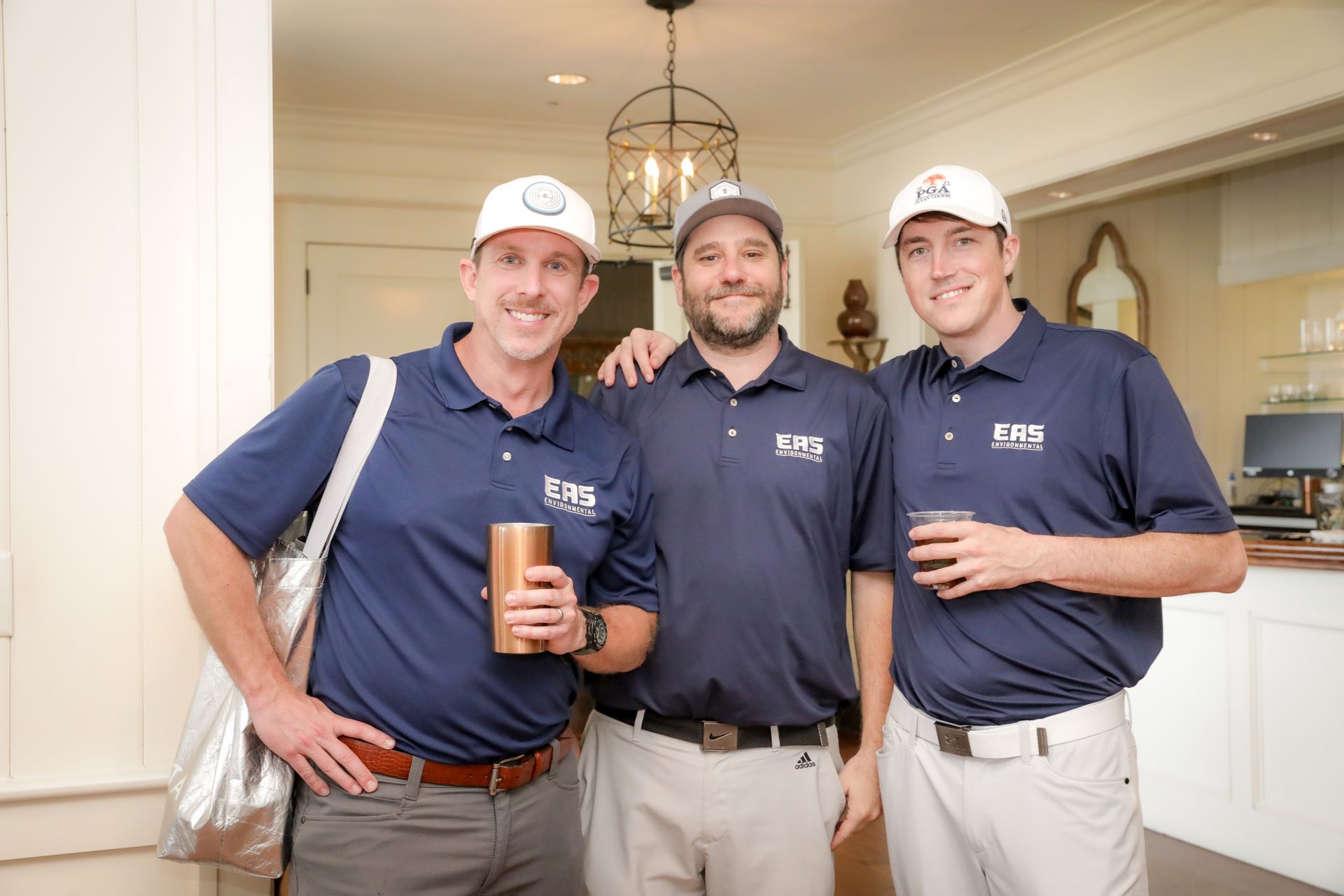
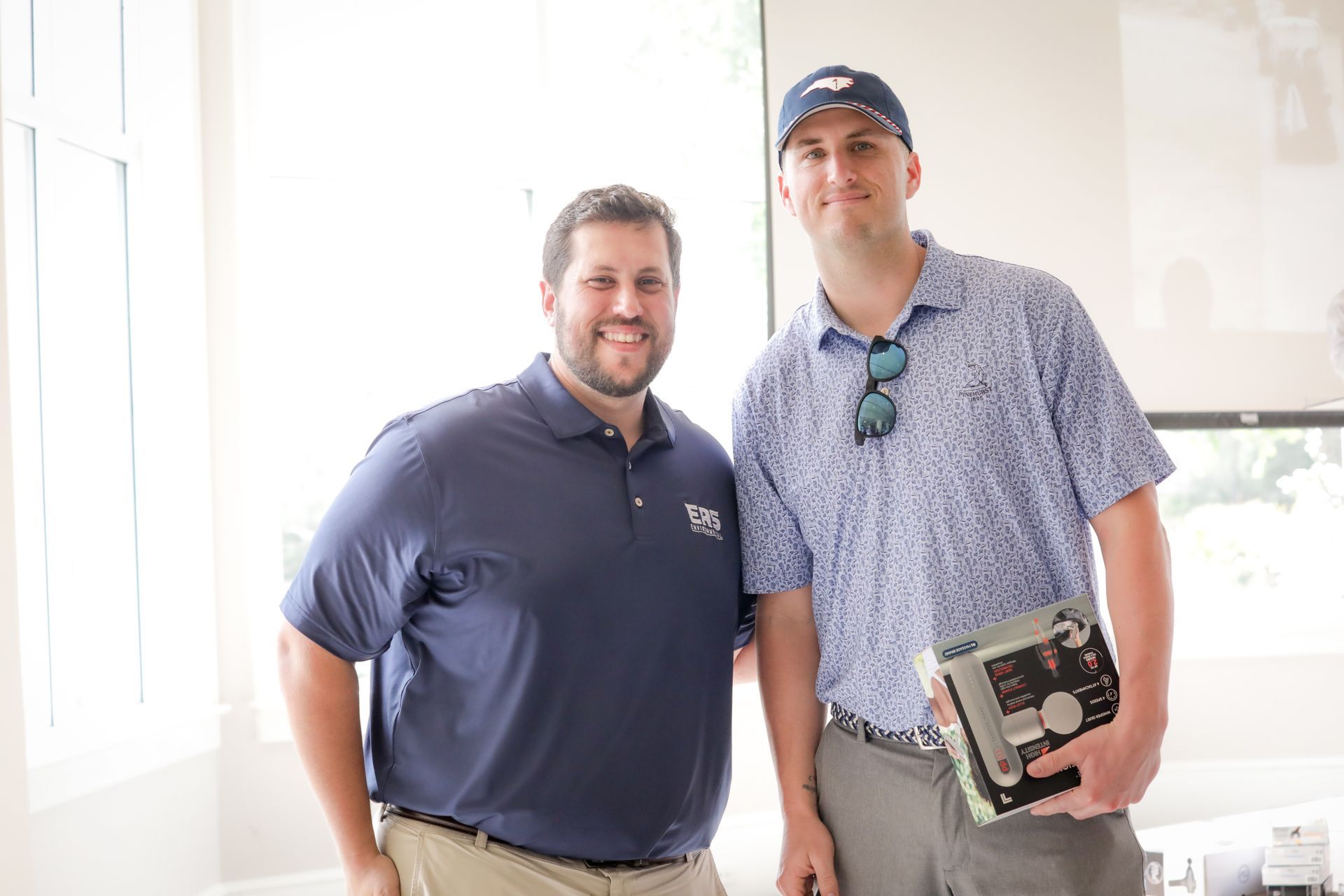
To strengthen this effort even further, we hosted the EAS Environmental Golf Classic, rallying local partners and community members to raise financial support for fire victims rebuilding their lives.
  • Slide title

    Write your caption here
    Button
  • Slide title

    Write your caption here
    Button
  • Slide title

    Write your caption here
    Button
  • Slide title

    Write your caption here
    Button

3. Helping Create Safe Homes for Young Moms Together

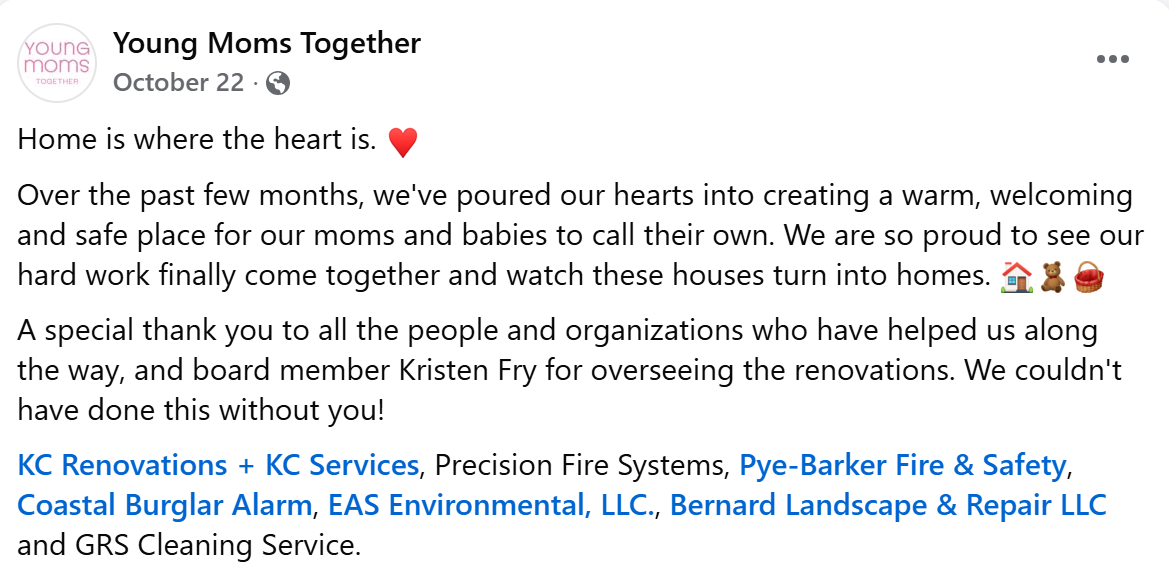
EAS Environmental was honored to contribute to Young Moms Together, an initiative dedicated to providing safe, welcoming housing for young mothers and their babies.

The organization shared:

“We’ve poured our hearts into creating a warm, welcoming, and safe place for our moms and babies to call their own… A special thank you to all the people and organizations who helped us along the way, including EAS Environmental, LLC.”

Our role in this project focused on environmental safety and protection — ensuring the homes were clean, healthy, and ready to support families in their most vulnerable seasons of life.

4. Using Our Expertise for the Greater Good

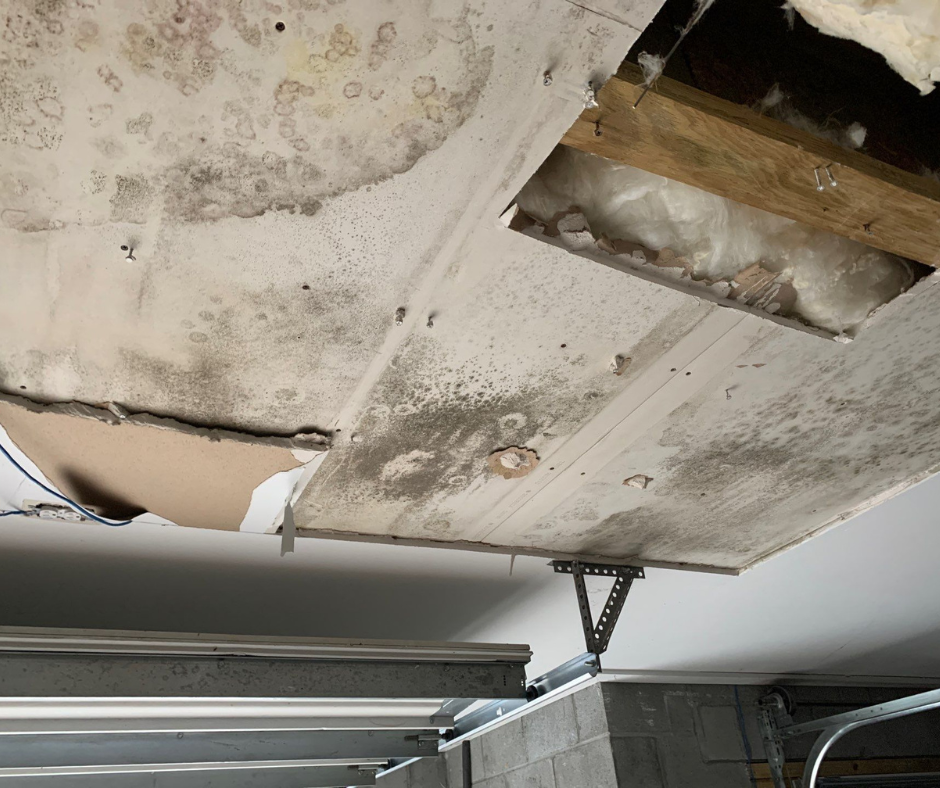
Our daily work — fire and water damage restoration, mold remediation, asbestos and lead abatement — directly impacts community health and safety. But beyond our projects, we use our expertise to help schools, child-care centers, and other organizations identify and prevent environmental hazards before they become problems.

This approach reflects what we call our “industry-as-service” mindset. It’s about aligning our technical skills with a larger purpose: keeping our neighbors safe, informed, and resilient.

5. Local leadership and community integration

We’re proud to be a locally owned and operated business right here in Charleston. Our leadership team — including Spencer Turner and Evan Stahl — has deep roots in this community. We understand the unique challenges the Lowcountry faces, from coastal humidity to historic building preservation.

As we often say:

“Our primary goal is to ensure that the families and businesses we serve are put at the forefront of any effort made in the restoration process.”

That philosophy guides everything we do. Being part of this community means taking care of it, not just through our work, but through the relationships we build and the trust we earn.

6. Empowering Others to Take Action

Our work doesn’t stop when the job is done. We believe in sharing knowledge and building partnerships that extend our impact. By collaborating with nonprofits, educators, and child-care providers, we’ve helped others adopt better environmental and safety practices. Every partnership we form creates ripple effects that strengthen the entire community. When one organization adopts healthier standards, it sets an example for others — and that’s how real, lasting change happens.
  • Slide title

    Write your caption here
    Button
  • Slide title

    Write your caption here
    Button
  • Slide title

    Write your caption here
    Button

Our Five Pillars of Responsibility

Here’s what drives our commitment to community impact:

  1. Environmental Health – Preventing exposure to lead, asbestos, mold, and other hazards.
  2. Disaster Recovery – Helping families rebuild after fires, floods, and emergencies.
  3. Community Investment – Supporting the Lowcountry through jobs, partnerships, and local initiatives.
  4. Expertise for Good – Using our knowledge to promote safer, healthier environments.
  5. Collaboration – Working with local organizations to strengthen and uplift our community.


In Summary

At EAS Environmental, we see every project as an opportunity to make a difference — not just in the spaces we restore, but in the lives we touch. From protecting children’s health to helping families recover from disaster, we’re proud to stand as both a restoration company and a community partner.

Because for us, it’s not just about rebuilding structures — it’s about rebuilding lives and strengthening the place we all call home.


Contact EAS Environmental Today!

EAS Environmental will do everything we can to ensure your experience with us is excellent.

CALL US NOW

Request A FREE Estimate

Request a Free Estimate Form

Checkout Recent Post
By Spencer Turner October 27, 2025
Restoration work can feel overwhelming—especially when you’re staring down the aftermath of a flood, fire, or hazardous material exposure. At EAS Environmental, we believe that transparency and trust are key. That’s why we’re pulling back the curtain on what a real restoration project looks like when you work with our team—from the first call to the final walkthrough. Our goal is to help you understand every step of the process, so you know exactly what’s happening and why. With decades of experience and a commitment to safety, we make sure your property is restored the right way—the first time. By the end, you’ll not only have a clean, safe space again but also the peace of mind that comes from knowing it was done properly. Abstract: A grease fire broke out in the kitchen of a Florence apartment, spreading smoke and soot to the walls, ceilings, and floors throughout the second-story residence. Just your typical fire mitigation job, right? Wrong; after some third-party sampling and laboratory analysis, Asbestos-Containing Materials (ACMs) were identified in the apartment. In this case study, we walk through how our company, EAS Environmental, handled the turn-key process of the asbestos abatement, and then rebuilding the property to its pre-loss condition. From navigating complex environmental regulations to coordinating restoration timelines, this project showcased the importance of expertise, communication, and precision in every phase. This article highlights how our team transformed an unexpected challenge into a seamless, compliant, and fully restored living space. The Situation: Fire Damages Disturb Asbestos Containing Materials The tenant accidentally started a grease fire in the kitchen of their second-story Florence apartment. The good news: no one was seriously injured. The bad news: the fire left behind significant damage – smoke and soot coating every surface in every room. Fire mitigation projects happen every day, but not all of them come with an unexpected condition lurking beneath the layers of soot and smoke.
By Spencer Turner September 15, 2025
It doesn’t take a massive fire to cause a lot of damage. In fact, even a small electrical fire can fill your entire home with thick smoke, leaving behind soot on surfaces and that stubborn burnt smell that just won’t go away. That’s exactly what happened in one home we recently worked on—and it’s a great example of how EAS Environmental steps in quickly with expert fire damage mitigation and structural cleaning services to make things right again
By Spencer Turner July 10, 2025
Asbestos was once hailed as a “miracle material” for its heat resistance, durability, and insulating capabilities. For decades, it was widely used in residential construction—especially in insulation, floor tiles, roofing materials, and textured ceilings. However, growing awareness of its severe health risks prompted a series of regulatory crackdowns. So, when was asbestos banned in homes? The answer isn’t straightforward—but knowing the history is essential for homeowners, renovators, and anyone living in a home built before 1990. Asbestos Use in Residential Construction: A Historical Overview Asbestos use in homes peaked between the 1930s and the 1970s. It was commonly found in: Insulation (especially around pipes and ducts) Vinyl (VCT) floor tiles and adhesives (mastic) Roofing shingles and flashing Cement siding (“transite”) Acoustic ceiling tiles Popcorn ceiling texture Joint compounds - like those found in typical drywall Cement products Although concerns about asbestos exposure surfaced as early as the 1960s, it wasn't until the late 1970s and 1980s that its use began to be seriously curtailed - but not eliminated. When Was Asbestos Banned? Contrary to popular belief, asbestos has not been fully banned in the United States. Instead, its use has been heavily restricted through a series of phased regulations: 1973: The EPA banned spray-applied asbestos-containing materials for fireproofing and insulation. 1977: The Consumer Product Safety Commission banned asbestos in wall patching compounds and artificial fireplace embers. 1989: The EPA issued a full ban under the Asbestos Ban and Phase-Out Rule—but it was largely overturned in 1991. Present Day: Many asbestos-containing materials are no longer manufactured or sold, but asbestos remains legal in certain products under strict regulation. Because of this phased and partial ban, asbestos-containing materials can still be found in homes built as late as the 1980s—and even later in some imported materials. How Do I Know If My Home Contains Asbestos? If your home was built before the mid-1980s, there's a high chance it may contain asbestos. However, asbestos is not dangerous unless it is disturbed and becomes airborne. Common risk scenarios include: Renovation or demolition of older homes Damage to aging building material DIY repairs involving insulation or flooring Professional asbestos inspection and testing are the only reliable ways to confirm its presence. Where Can Asbestos Still Be Found in Homes? Even homes built into the 1980s or early 1990s may contain asbestos. It’s often present in: Popcorn/textured ceilings Vinyl tiles and mastic adhesives Duct and pipe insulation Roofing and siding materials Joint compound used in drywall taping What EAS Environmental Can Do to Help At EAS Environmental, our certified professionals specialize in: Asbestos inspections and risk assessments Sample collection and laboratory testing Safe asbestos abatement and removal Post-removal air quality verification We adhere strictly to federal and state guidelines, ensuring that any asbestos-containing materials are handled safely and effectively. Don’t Take the Risk—Test Before You Renovate Whether you’re planning a renovation or simply want peace of mind, understanding your home's asbestos risk is crucial. Ignoring potential exposure can lead to serious health issues like mesothelioma, lung cancer, and asbestosis. Contact EAS Environmental today to schedule a professional inspection and safeguard your property and your health. FAQ – Common Asbestos Questions Q: Is asbestos still used today? A: Yes. Some imported products may legally contain asbestos (e.g., brake pads, roofing, gaskets). Q: Can I test for asbestos myself? A: DIY kits are available but unreliable. Disturbing the material could create a health risk. It is best to consult with a certified professional. Q: What’s the safest way to remove asbestos? A: Consult with licensed abatement specialists who follow EPA and OSHA standards. Q. Can I find asbestos on new homes? A: Yes. Some newer homes may still contain asbestos in imported materials, leftover stock, or legal non-friable products like certain floor tiles or roofing materials. References 1. U.S. Environmental Protection Agency (EPA) Asbestos Laws and Regulations: https://www.epa.gov/asbestos/asbestos-laws-and-regulations 2. Occupational Safety and Health Administration (OSHA) Asbestos Fact Sheet: https://www.osha.gov/sites/default/files/publications/OSHA3507.pdf 3. Consumer Product Safety Commission (CPSC) Banned Hazardous Products: https://www.cpsc.gov/Business--Manufacturing/Business-Education/Business-Guidance/Banned-Hazardous-Products 4. Agency for Toxic Substances and Disease Registry (ATSDR) Asbestos Toxicological Profile: https://wwwn.cdc.gov/TSP/ToxProfiles/ToxProfiles.aspx?id=30&tid=4 5. National Cancer Institute (NCI) – NIH Asbestos Exposure and Cancer Risk: https://www.cancer.gov/about-cancer/causes-prevention/risk/substances/asbestos/asbestos-fact-sheet 6. Environmental Working Group (EWG) Asbestos Nation Report: https://www.ewg.org/asbestos/
By Spencer Turner June 26, 2025
In the restoration industry, your name is everything. Reputation, reliability, and results drive your success — and that’s exactly why restoration companies across South Carolina choose EAS Environmental as their trusted subcontractor. We understand the pressure restoration firms face: tight timelines, unpredictable scopes, complex compliance standards, and demanding client expectations. When you need a partner who enhances — not hinders — EAS delivers quietly, powerfully, and professionally.
SEE MORE

Got a Question? We’re Here to Help.

You can arrange an appointment or make an enquiry by phone or email, orget in touch to us via our contact form.
CONTACT US TODAY