Water damage can happen unexpectedly—from burst pipes and leaking appliances, to severe storms and flooding. While the immediate concern is often structural damage, another serious issue can develop quickly: mold growth. Many property owners are surprised to learn just how fast mold can begin to grow after water exposure. Understanding the timeline of mold growth and the importance of quick action can help protect both your property and your health.
How Quickly Can Mold Grow After Water Damage?
Mold can begin growing within 24 to 48 hours after water damage occurs. When moisture is present and the environment is warm and humid, mold spores—which naturally exist in the air—can quickly settle and begin to grow on damp surfaces.
The mold growth timeline typically looks like this:
First 24 Hours
- Materials such as drywall, wood, carpet, and insulation begin absorbing moisture.
- Mold spores may settle in damp areas.
24–48 Hours
- Mold colonies can begin forming.
- Musty odors may start to develop.
- Materials begin to swell, warp, or lose integrity.
48–72 Hours
- Mold growth becomes more visible.
- Spores begin spreading to nearby surfaces.
- Air quality begins to noticeably decline.
- Certain materials may no longer be salvageable.
3–7 Days
- Mold colonies expand rapidly.
- Structural materials may begin deteriorating.
- Strong, persistent odors develop throughout the space.
- Contamination can spread into HVAC systems.
- Because of this rapid growth timeline, immediate water extraction and drying are critical to prevent further damage, limit mold development, and improve the chances of salvaging affected materials.
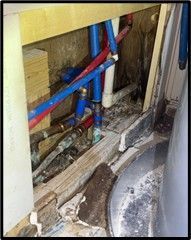
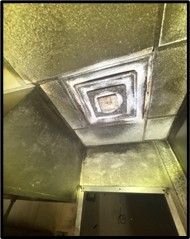
Common Areas Where Mold Develops After Water Damage
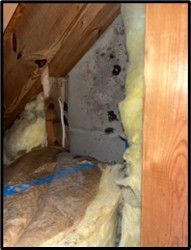
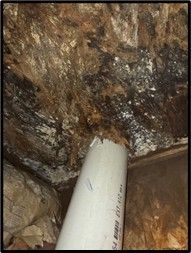
After water damage occurs, mold often begins to develop in areas where moisture becomes trapped and drying is limited or delayed. These hidden or porous materials create the ideal environment for growth.
Common locations include:
- Drywall and insulation
- Carpet and padding
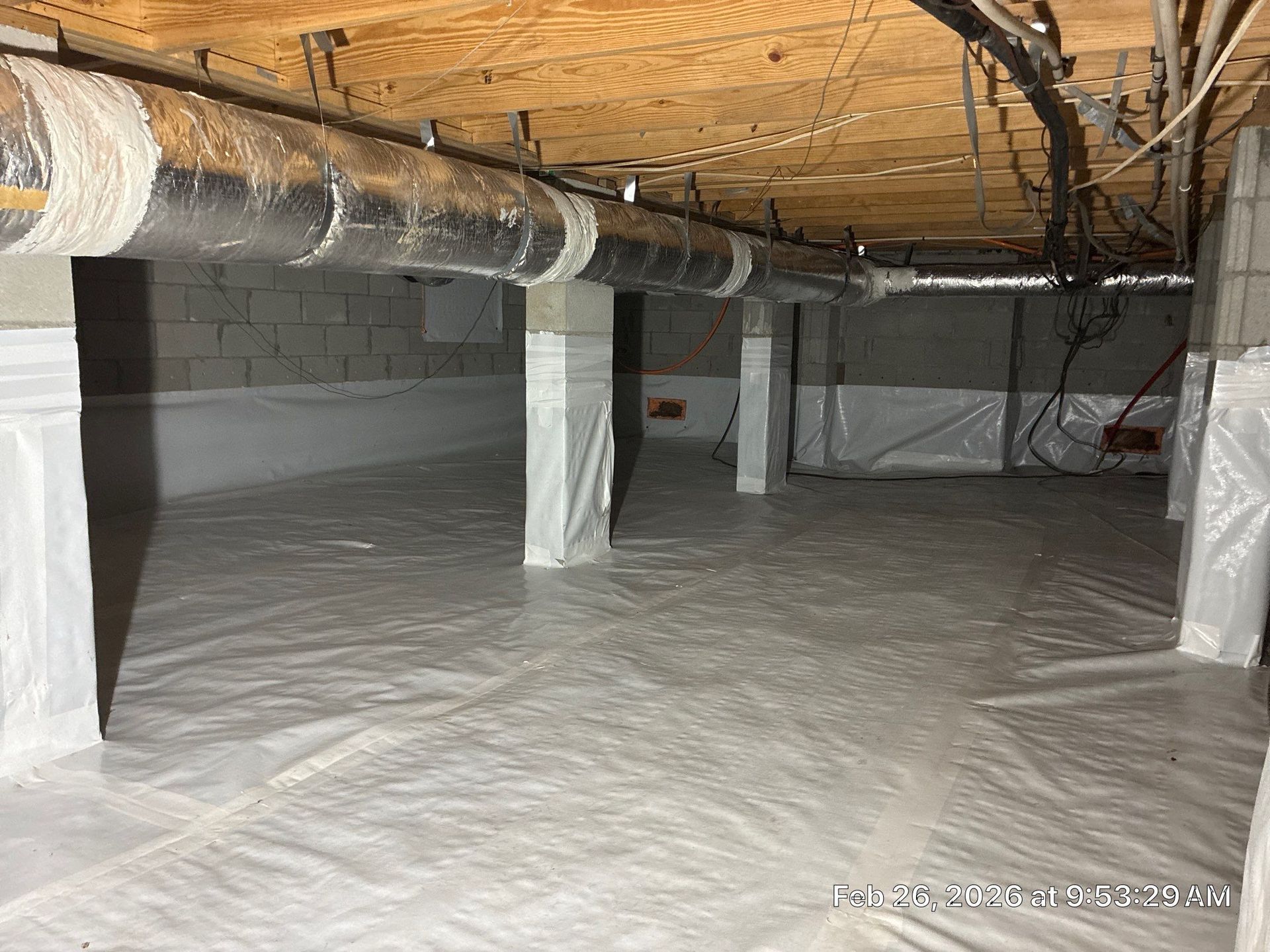
- Crawl spaces
- Behind walls and cabinets
- HVAC systems
Wood framing and flooring
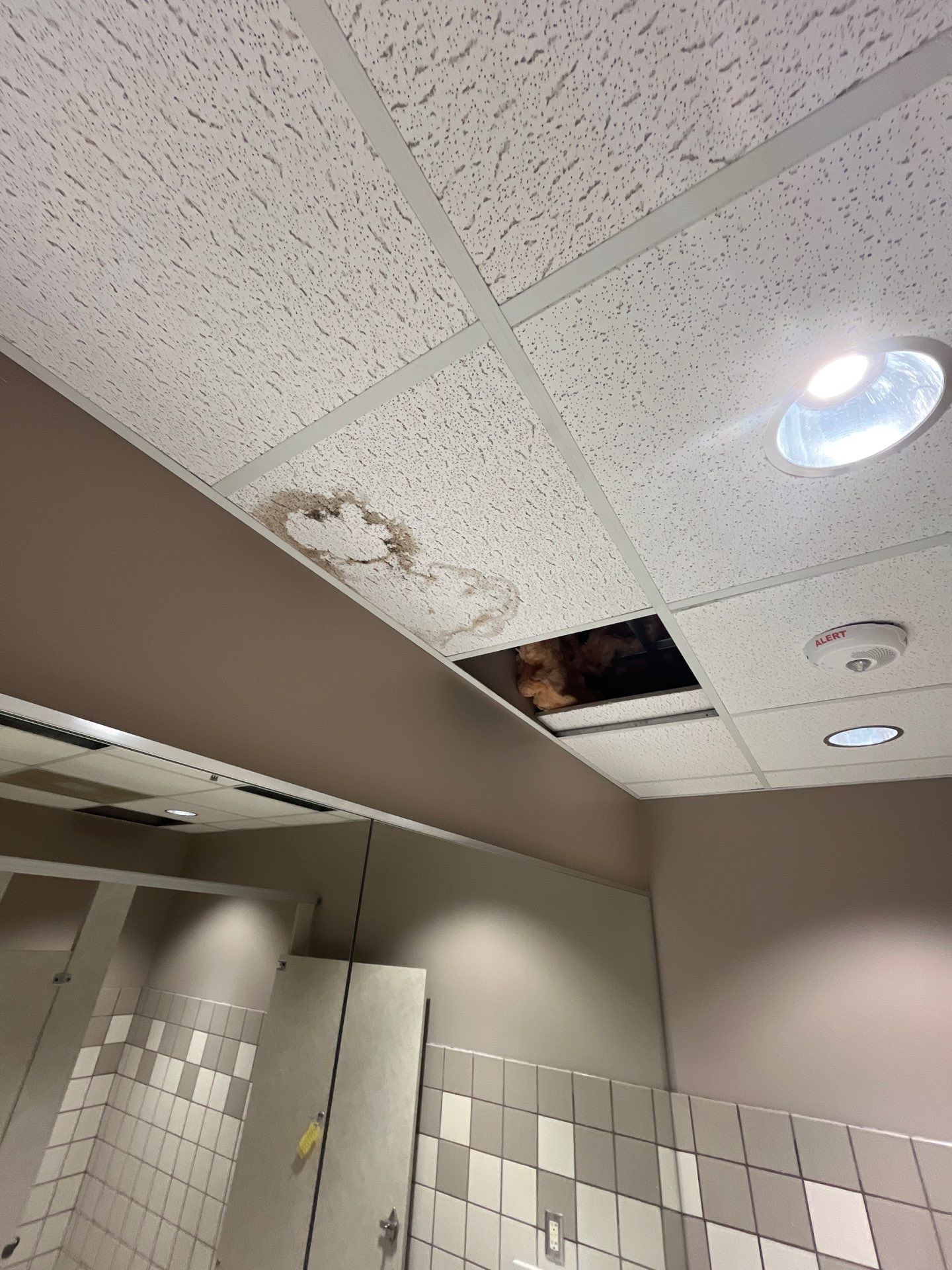
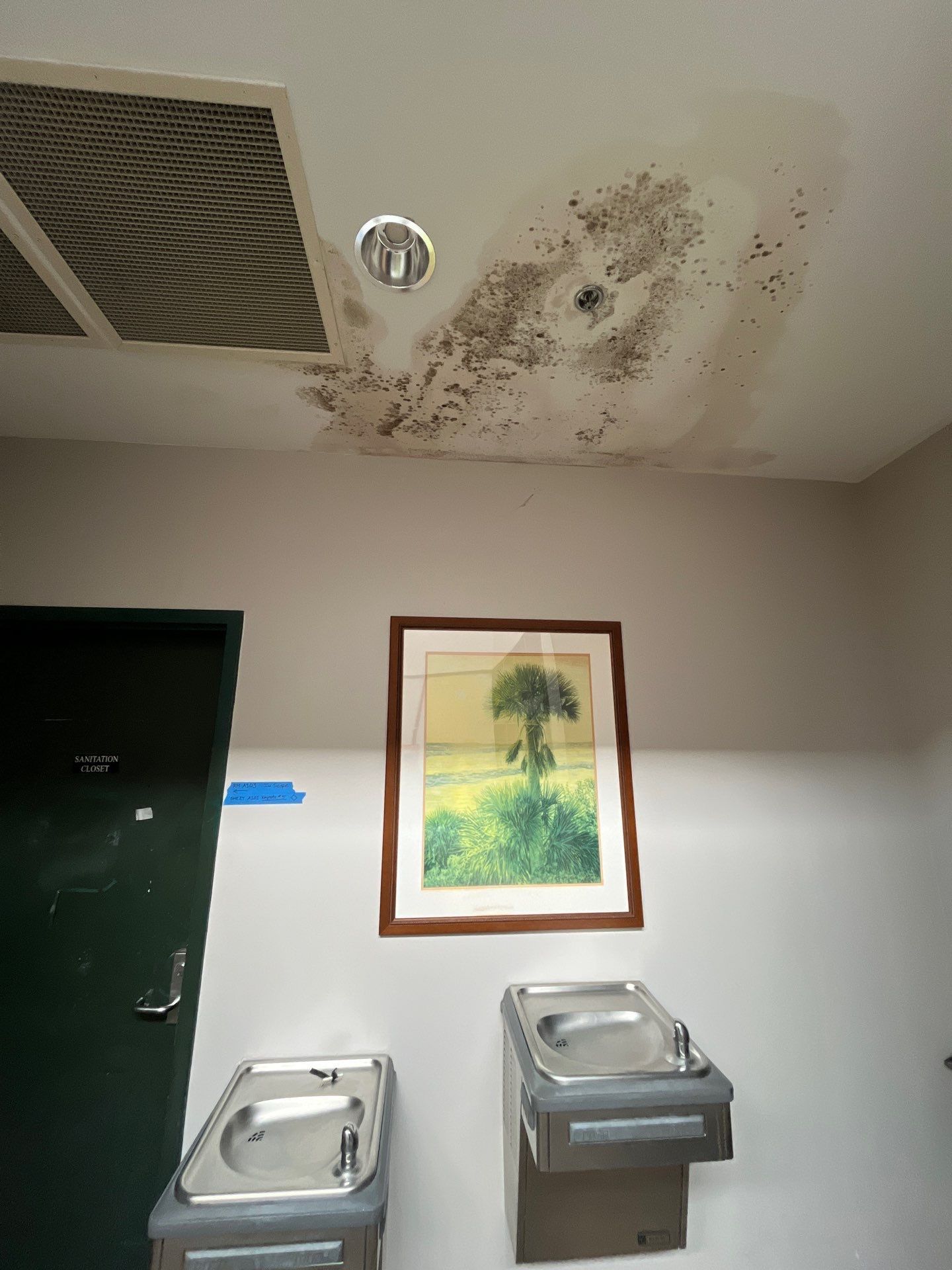
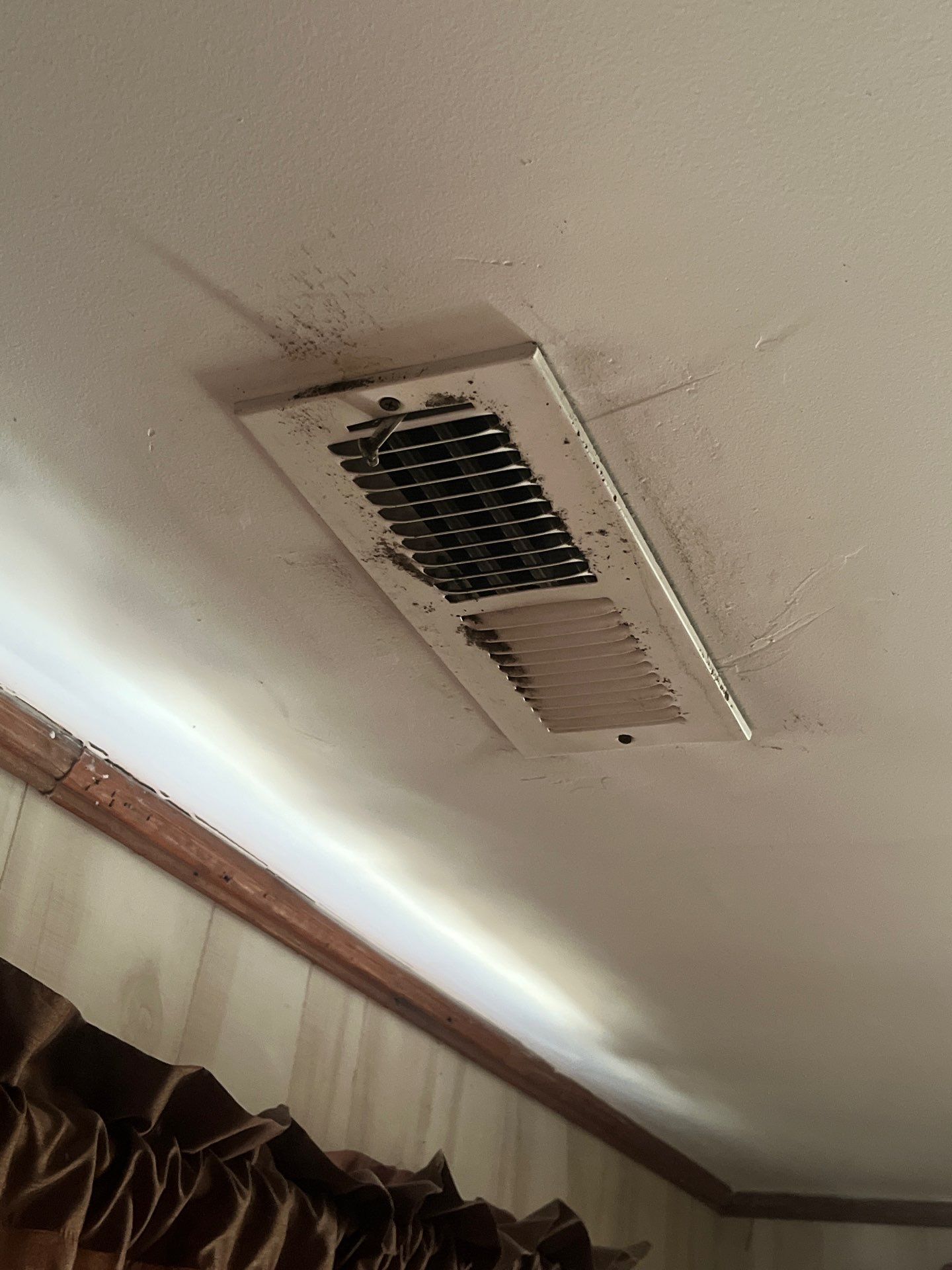
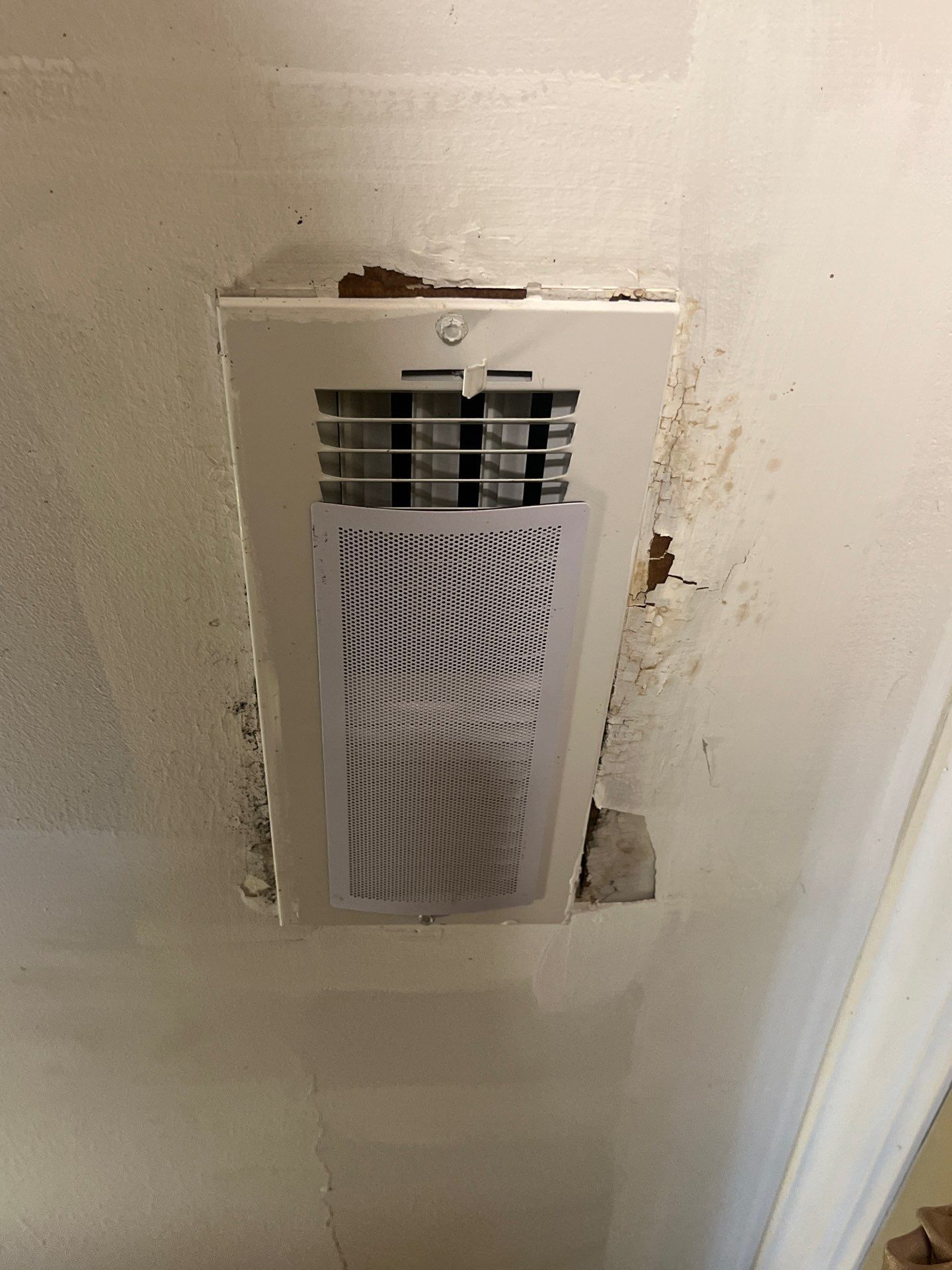
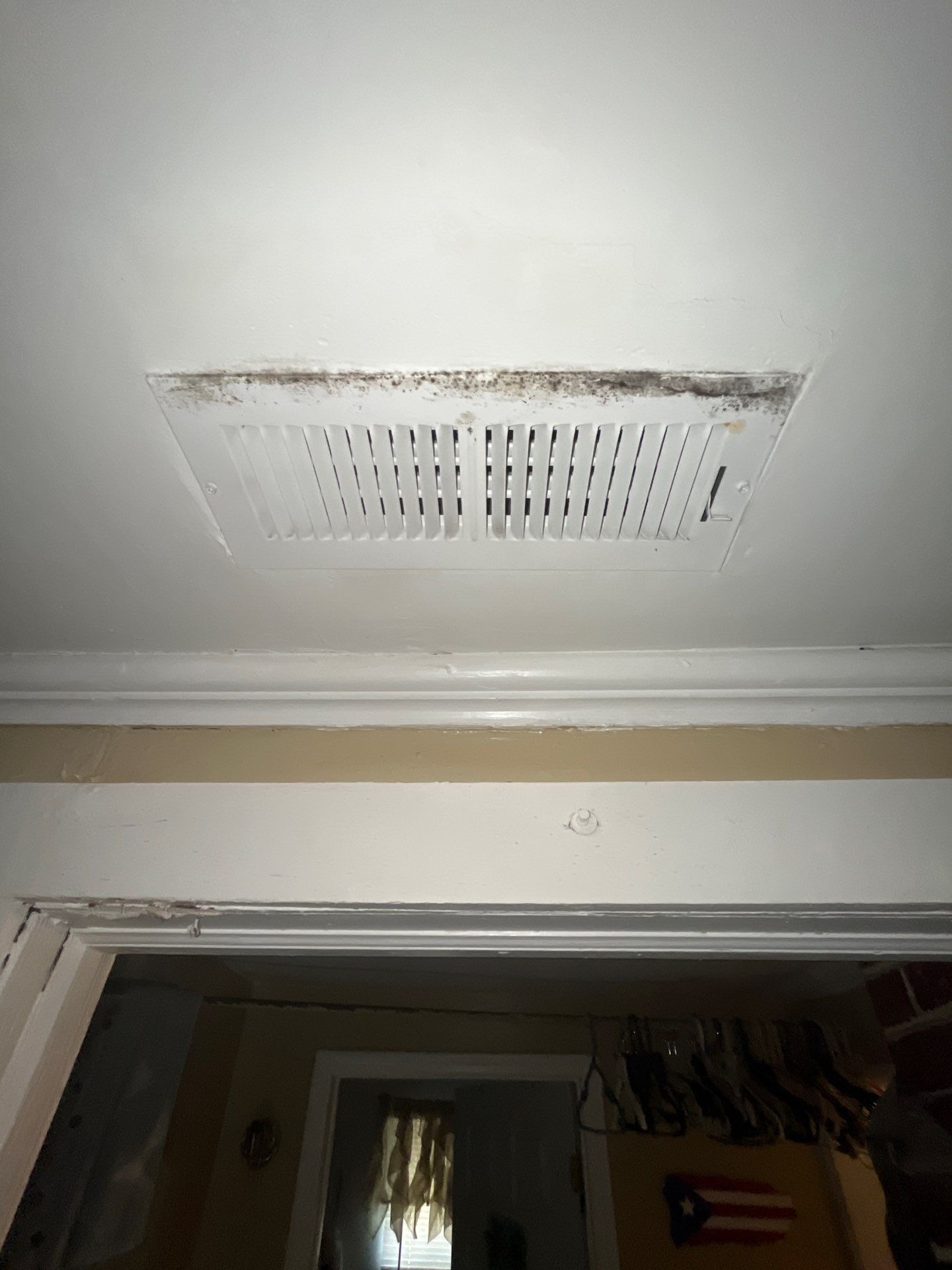
In many cases, mold growth begins behind walls or under flooring, where moisture may go unnoticed. Because these areas are not easily visible during routine inspections, the problem can develop quietly over time. By the time signs become noticeable, the damage is often more widespread and costly to address.
Why Mold Growth Is a Serious Problem
Mold growth is not just a cosmetic issue — it can lead to serious concerns for both your property and your health. As it spreads, it can weaken building materials and compromise the integrity of affected areas. At the same time, prolonged exposure may impact indoor air quality and contribute to potential health issues for occupants.
Property Damage
Mold can weaken building materials, leading to:
- Deterioration of drywall
- Warping of wood structures
- Damage to flooring and insulation
- Reduced structural strength in framing members
If left untreated, mold contamination can spread throughout a building.
Health Concerns
Exposure to mold can affect individuals in different ways, particularly in indoor environments where spores or fragments may become airborne. The severity of symptoms depends on individual sensitivity, extent of exposure, and overall indoor environmental conditions.
Common concerns associated with mold exposure may include:
- Respiratory irritation
- Allergic reactions
- Eye and throat irritation
- Headaches, dizziness, or fatigue
- Nasal congestion or sinus pressure
- Persistent coughing or sneezing
Individuals with asthma, allergies, or compromised immune systems may be more sensitive to mold exposure.
Signs Mold May Be Growing After Water Damage
Even if mold is not immediately visible, certain conditions may indicate potential growth. Watch for the following:
- Musty or earthy odors
- Discoloration on walls or ceilings
- Peeling paint or bubbling drywall
- Persistent humidity or dampness
- Allergy-like symptoms while indoors
If these signs appear after a leak, flood, or plumbing issue, mold growth may be developing and should be evaluated.
How to Prevent Mold After Water Damage
he key to reducing the risk of mold growth is a
fast and thorough response, along with proper drying and moisture control.
1. Remove Standing Water Quickly - Water extraction should begin as soon as possible using pumps or professional extraction equipment.
2. Dry the Affected Area- Air movers and dehumidifiers are used to reduce moisture in structural materials and the surrounding air.
3. Remove Unsalvageable Materials- Certain materials (such as insulation or heavily damaged drywall) may require removal depending on the extent of water damage, contamination, and restorability.
4. Monitor Moisture Levels- Professional moisture meters and monitoring tools help confirm that both visible and hidden moisture have been addressed.
5. Clean and Treat as Needed- Cleaning is a primary step in restoration. Antimicrobial or antimicrobial treatments
may be used when appropriate, but they are supplemental and do not replace proper drying, removal, and cleaning.
Because moisture can remain hidden within walls, flooring, and assemblies, professional equipment and monitoring are often necessary to ensure complete drying. Without this, conditions may remain favorable for mold growth even after surfaces appear dry.
When to Call a Professional Mold Remediation Company
If water damage is not addressed promptly, or materials remain damp for an extended period (often within 24–48 hours under favorable conditions), microbial growth may begin to develop.
Professional services may include:
- Water extraction
- Structural drying
- Moisture inspection and monitoring
- Mold inspection and assessment
- Containment of affected areas (when needed)
- Removal and cleaning of impacted materials
- Air filtration and environmental control
Proper evaluation ensures that both visible and hidden moisture issues are addressed, and that contamination—if present—is managed appropriately.
Protect Your Property with Professional Remediation
Water damage can increase the risk of mold growth if not properly managed. Acting quickly and following proper drying and remediation practices can significantly reduce the risk of further damage and indoor environmental concerns.
At
EAS Environmental, our team provides professional environmental remediation and restoration services designed to help property owners respond effectively to water damage and potential mold concerns.
If you suspect mold growth after water damage, early action can help protect your property, indoor environment, and overall safety.
📞 Call EAS Environmental at
843-977-EASE
🌐 Visit
easenvironmental.com to schedule a consultation
Contact EAS Environmental Today!
EAS Environmental will do everything we can to ensure your experience with us is excellent.
Request A FREE Estimate
Request a Free Estimate Form
Checkout Recent Post
Got a Question? We’re Here to Help.
You can arrange an appointment or make an enquiry by phone or email, orget in touch to us via our contact form.