MOLD REMEDIATION
Browse our most frequently asked questions to learn how mold develops, how it's removed, and what you can do to help prevent it from returning.
How fast does mold grow after water damage?
Growth can and will start in as little as 48-72 hours after a water event (elongated high relative humidity spike, or acute water intrusion issue).
Can mold come back after remediation?
Yes, recurring growth could occur depending on moisture control, HVAC conditions, humidity, building use, leaks, and other factors outside the remediators control.
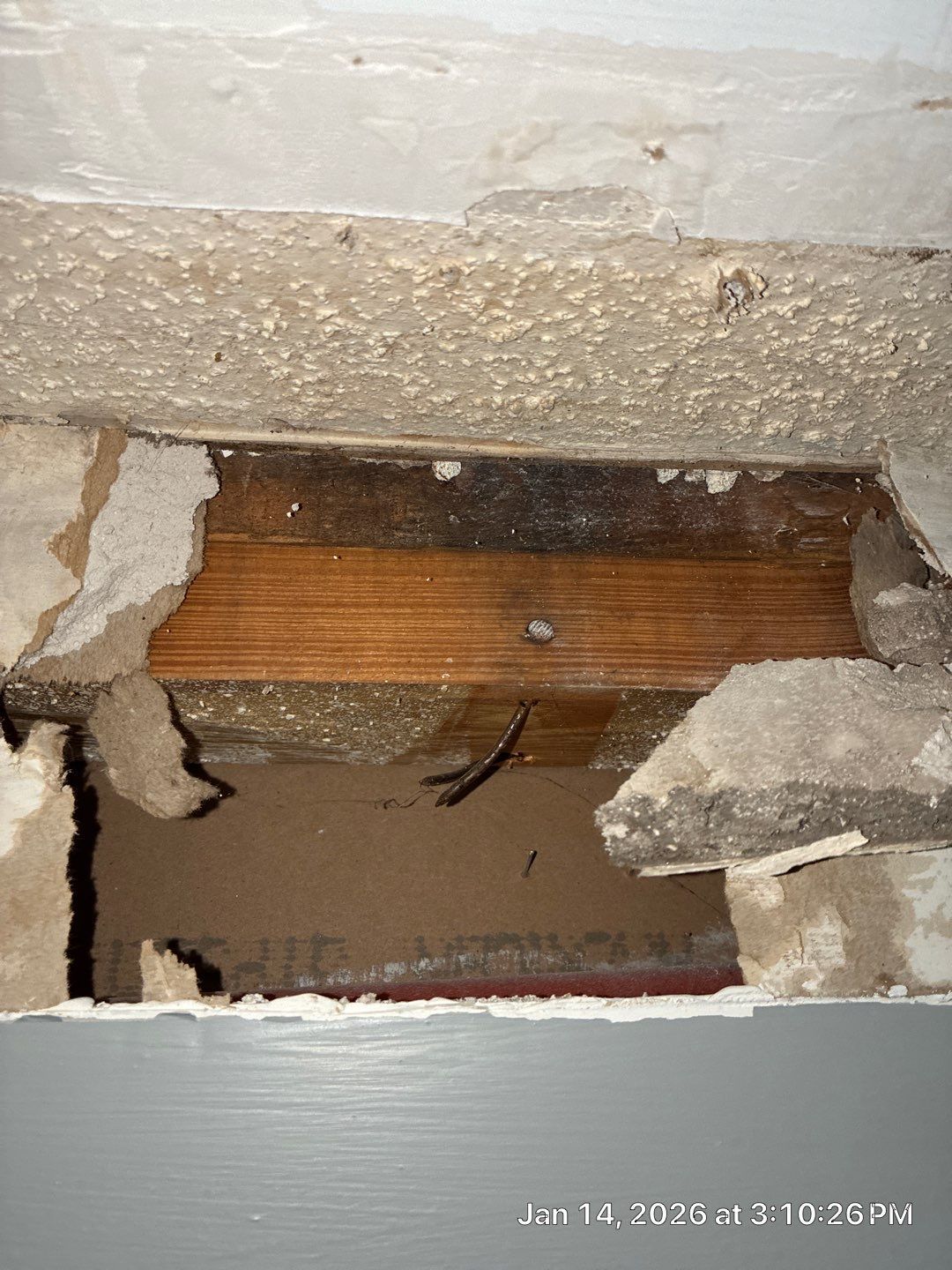
How do you know if mold is in your walls?
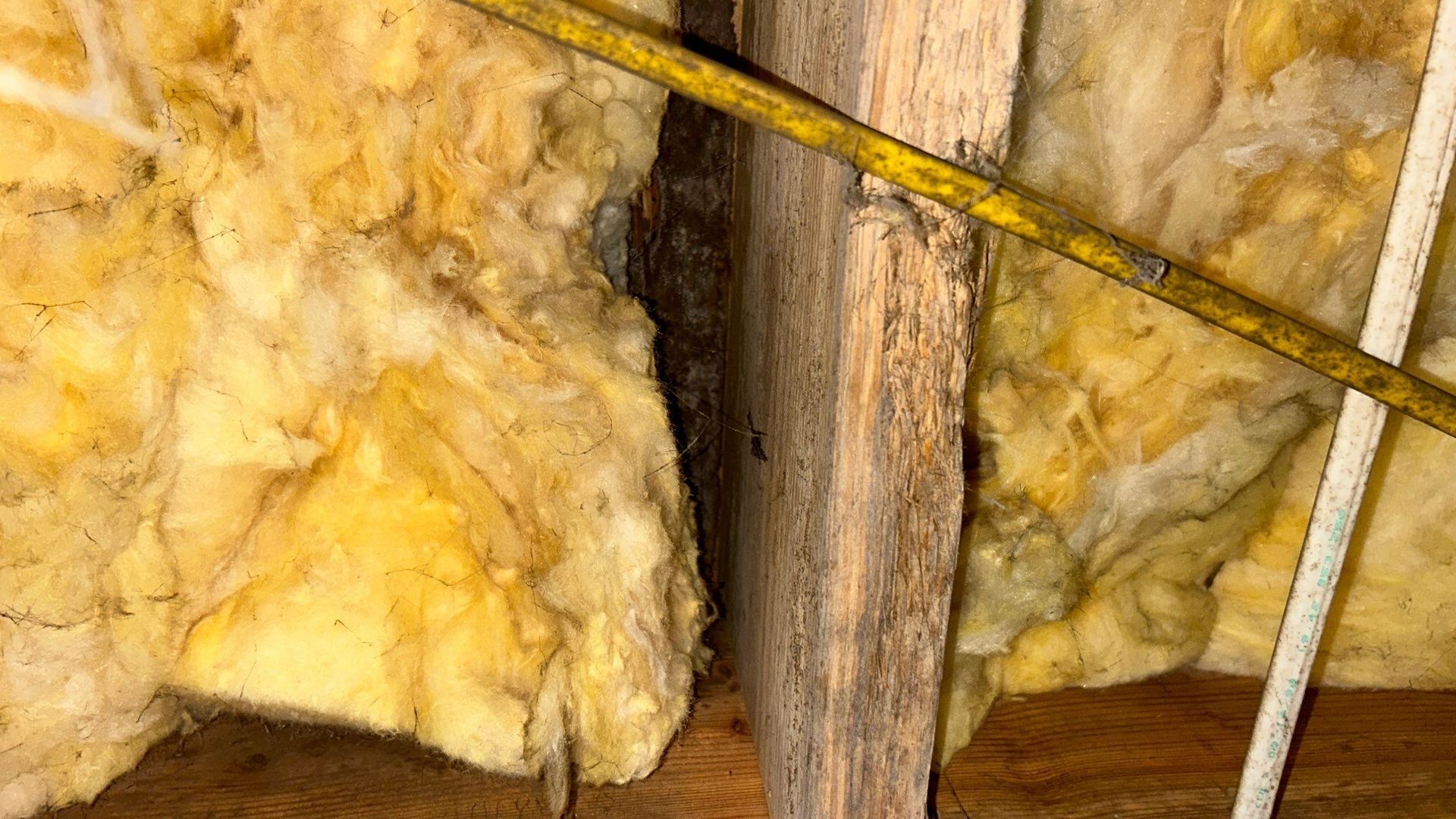
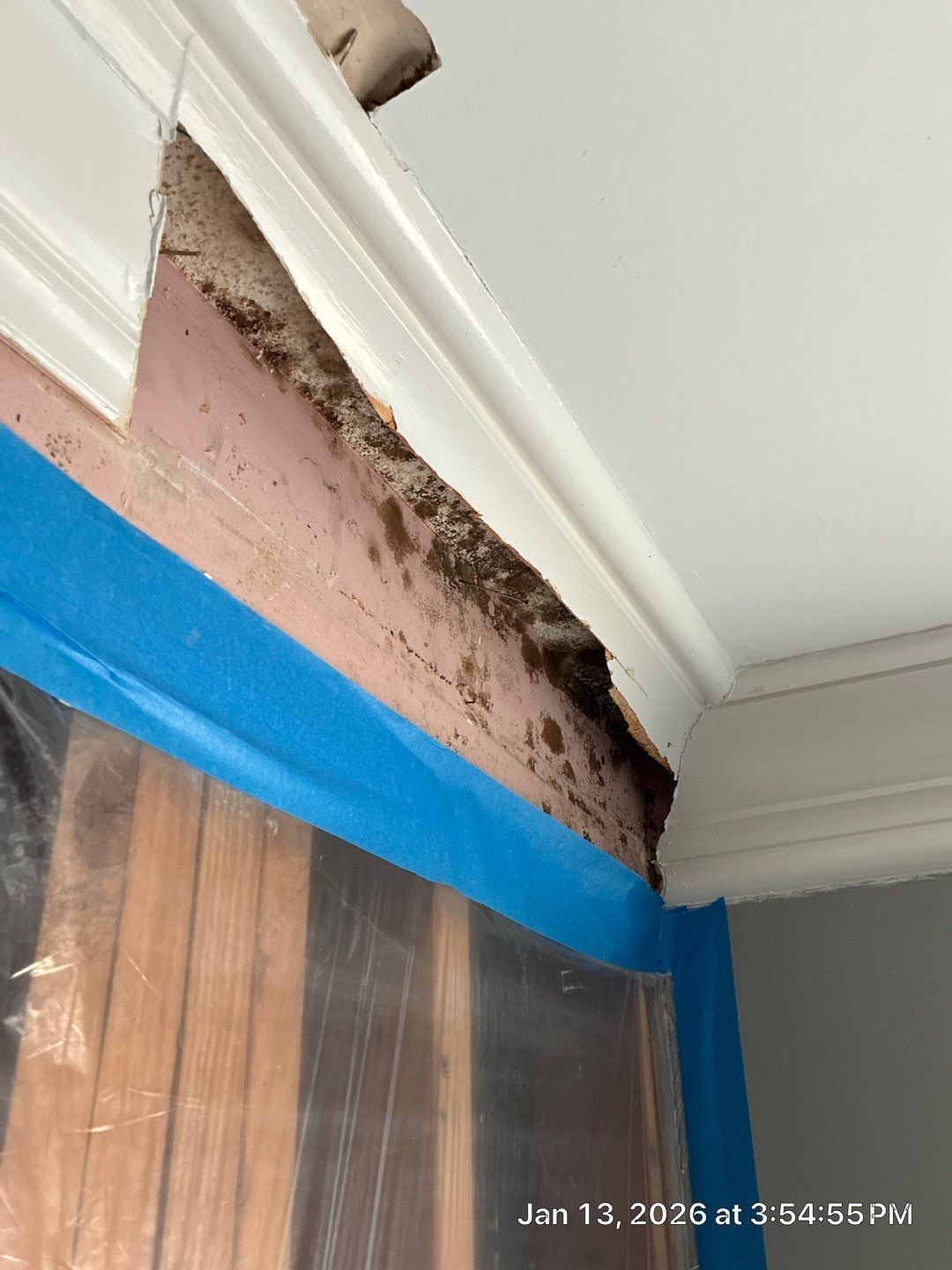
Signs of mold behind walls include musty odors, discoloration, peeling paint, and recent water damage can be the obvious signs, however growth can be present even in the absence of these conditions. The tough answer is there may not be a way to find out unless we perform destructive testing (test cuts in drywall, etc.). However, a professional mold and moisture assessment can help to confirm indoor airborne mold levels, which can be indicative of growth hiding somewhere unsuspecting in the home.
Is mold dangerous to your health?
Mold can affect people differently, especially those with allergies, asthma, respiratory conditions, or weakened immune systems. We cannot provide medical advice or determine whether mold is causing specific health symptoms, but mold and damp conditions are generally recognized as conditions that should be corrected. Our role is to identify and address the moisture source, remove or remediate affected materials, and help return the space to a cleaner, drier condition.
What is the mold remediation process?
Our mold remediation process follows industry best practices to safely remove mold contamination and help restore a healthy indoor environment.
- Contain the Affected Area – Establish containment to prevent mold spores from spreading.
- Deploy Air Filtration – Install HEPA air scrubbers to capture airborne particles and maintain clean air within the work area.
- Isolate HVAC Systems – Shut down and protect HVAC systems serving the affected area to reduce cross-contamination.
- Protect & Relocate Contents – Clean and relocate salvageable contents as needed to protect them during remediation.
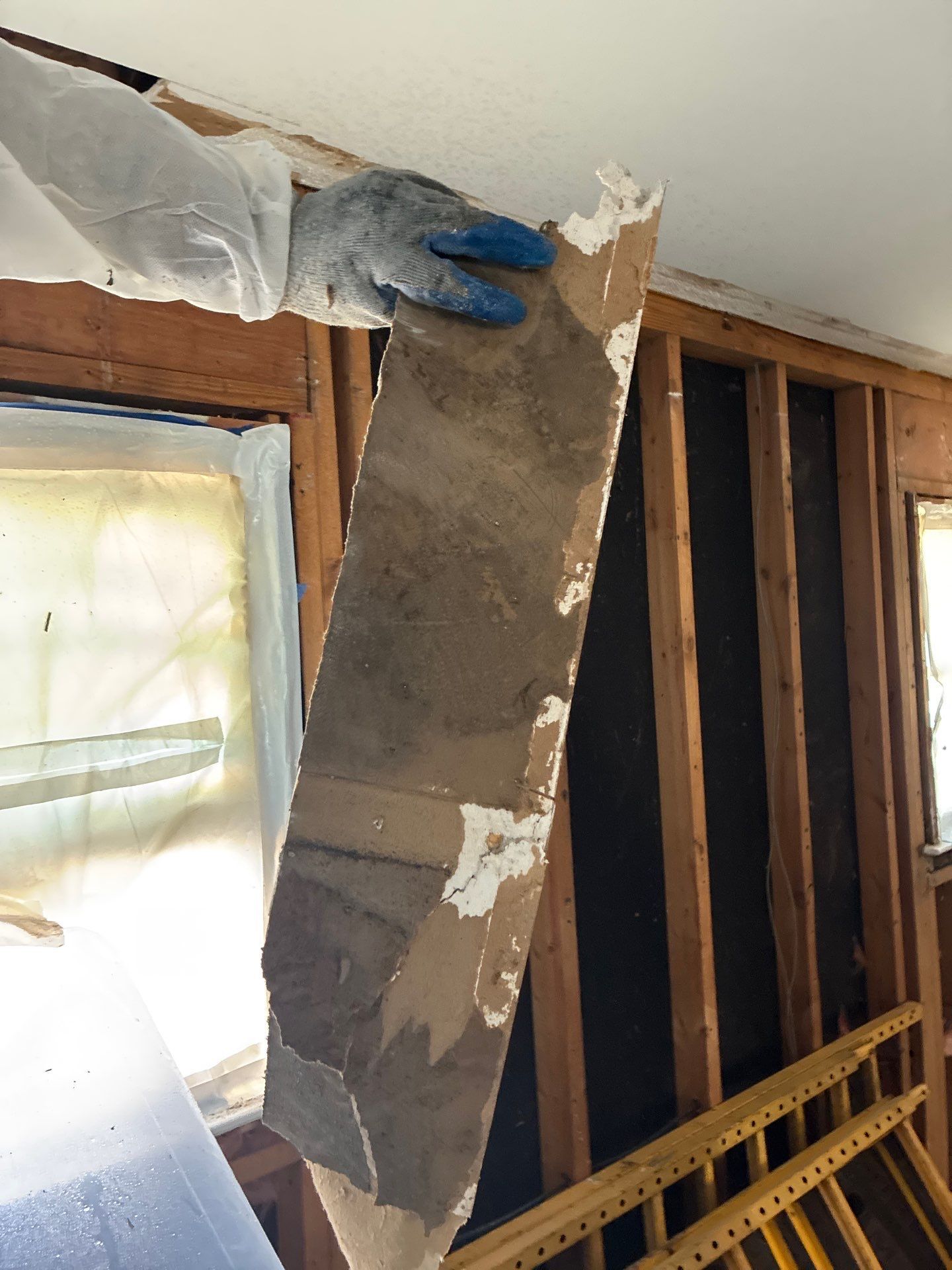
- Remove Affected Materials – Perform selective demolition to remove mold-contaminated drywall, insulation, ceiling materials, and other affected building components.
- Dispose of Contaminated Materials – Safely bag, seal, and remove remediation waste in accordance with industry standards.
- Clean & Treat Surfaces – HEPA vacuum, antimicrobial wipe, and perform a final HEPA cleaning of exposed structural surfaces.
- Supplemental Treatment – Apply EPA-registered dry-fog treatment, when appropriate, to address residual airborne particles, odors, and nearby surfaces.
- HVAC Evaluation – Inspect accessible HVAC components and recommend additional cleaning if necessary.
- Final Air Filtration – Continue HEPA air filtration following remediation to help improve air quality.
- Third-Party Clearance Testing – Coordinate independent post-remediation verification (PRV) or clearance testing when requested or required.
- Project Completion – Remove containment after successful clearance and return the remediated area to the client.
Do I need mold testing before remediation?
This is nuanced, but the short answer is no. In a lot of circumstances (~60%) it is recommended, but often enough mold testing can be unnecessary. Every situation is different, we're happy to discuss the details of the issue and give our recommendation on whether a mold and moisture assessment is appropriate for your situation.
Can you stay in your house during mold remediation?
Often times, yes. However, the real answer comes from determining how livability of the home will be affected by the work required. Will you have access to your everyday needs like kitchen, bedrooms, etc.? Will the HVAC need to be temporarily shut down and isolated? These, among other considerations, determined by our remediation plan (specific to your needs), will inform whether it makes sense to stay in the home or to temporarily relocate.
Can mold grow in my HVAC system?
Yes. Most often mold grows on the outside of the system, typically on the mastic used to seal the ductwork. However, dust build up on the blower, fans, coils, and other parts of the air hander can harbor mold growth inside of your system.