
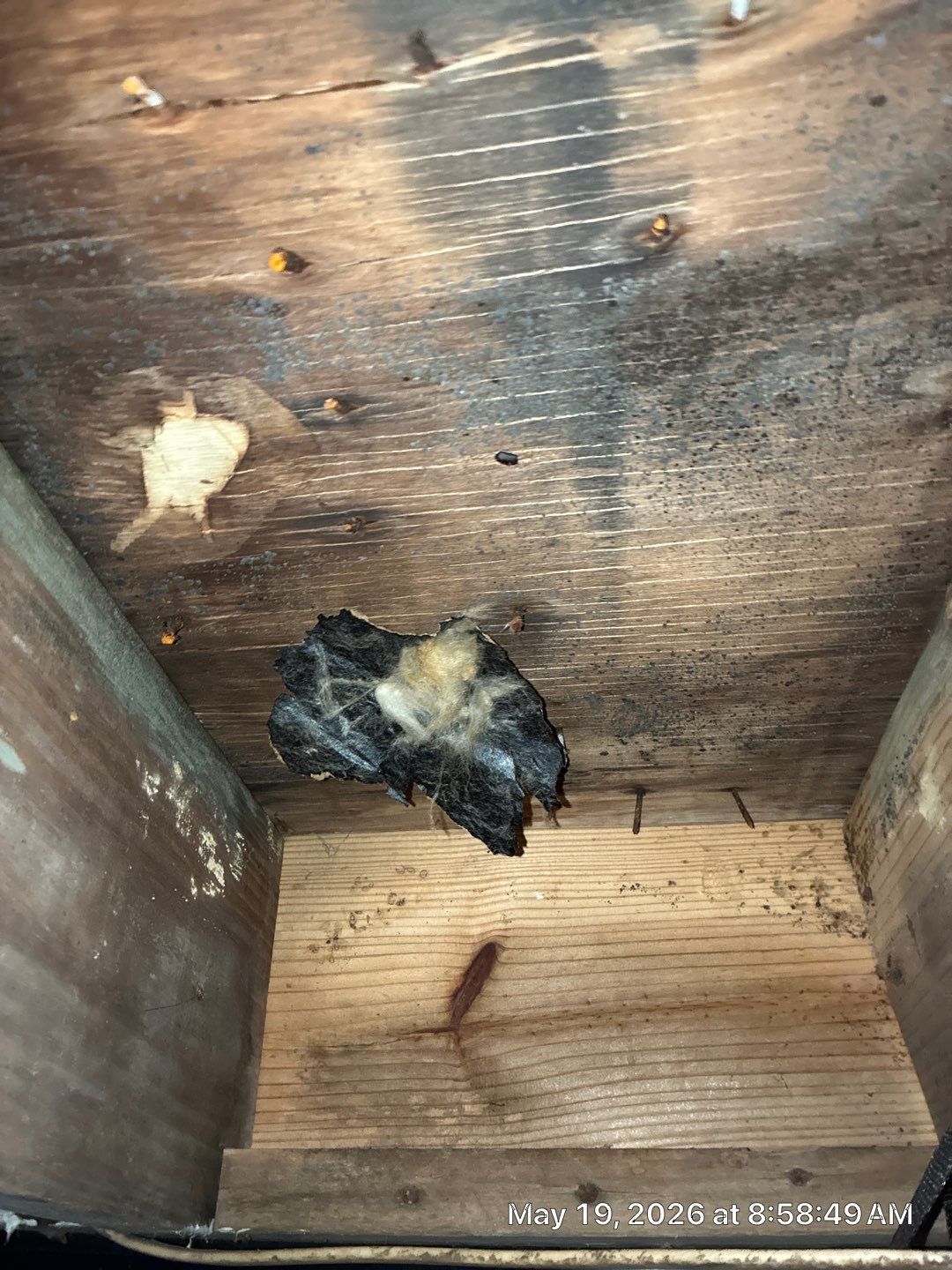
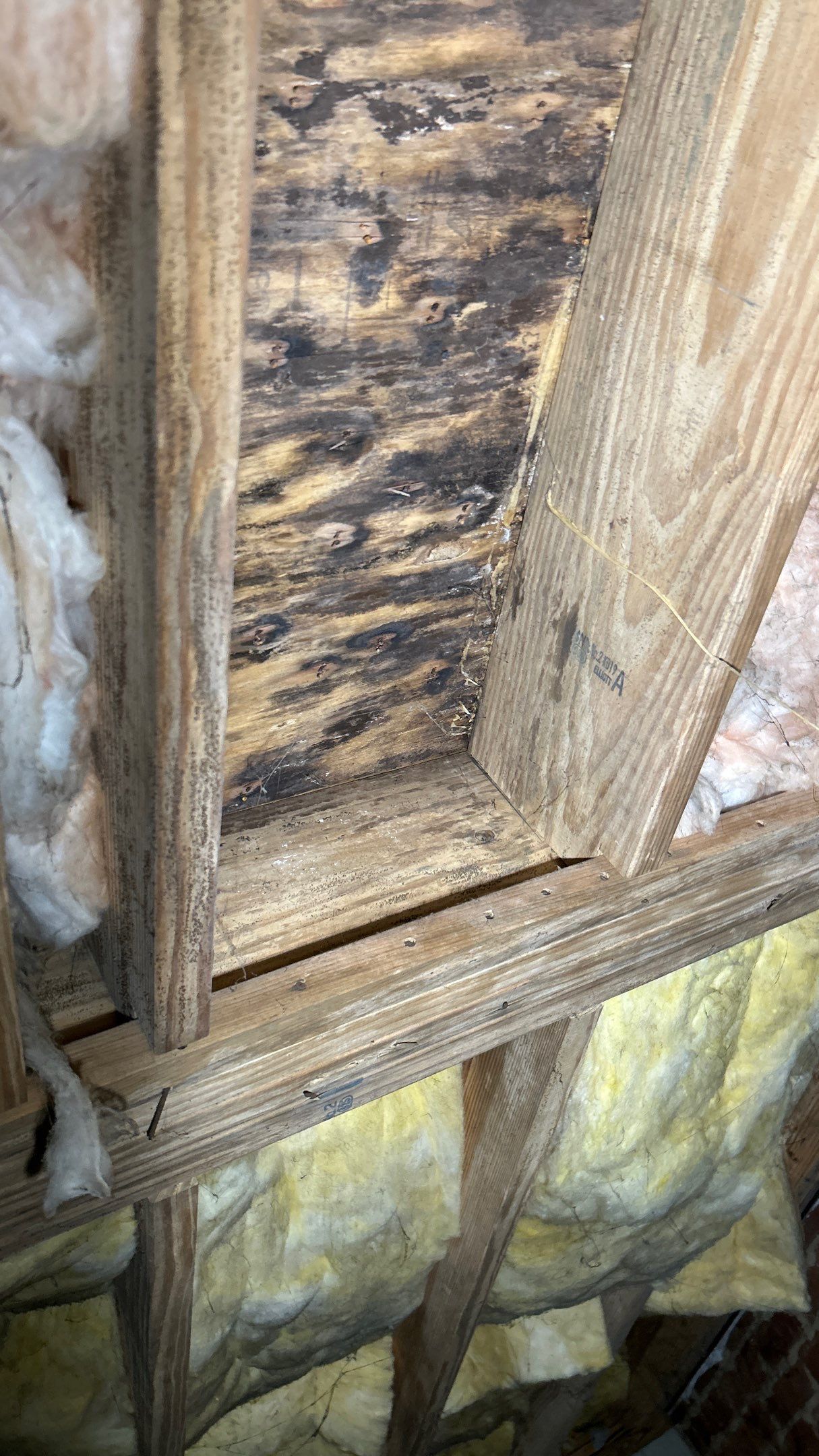
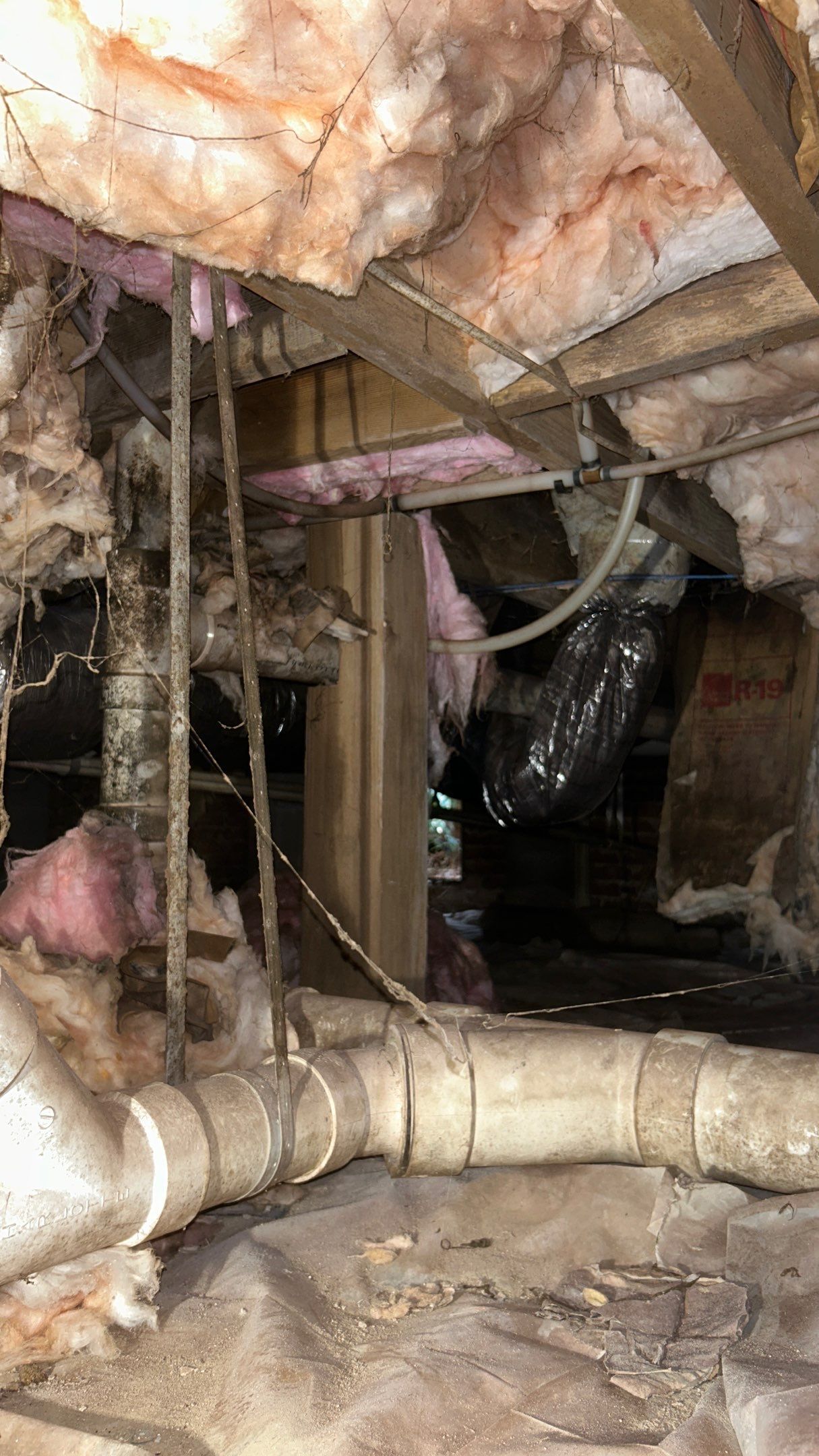
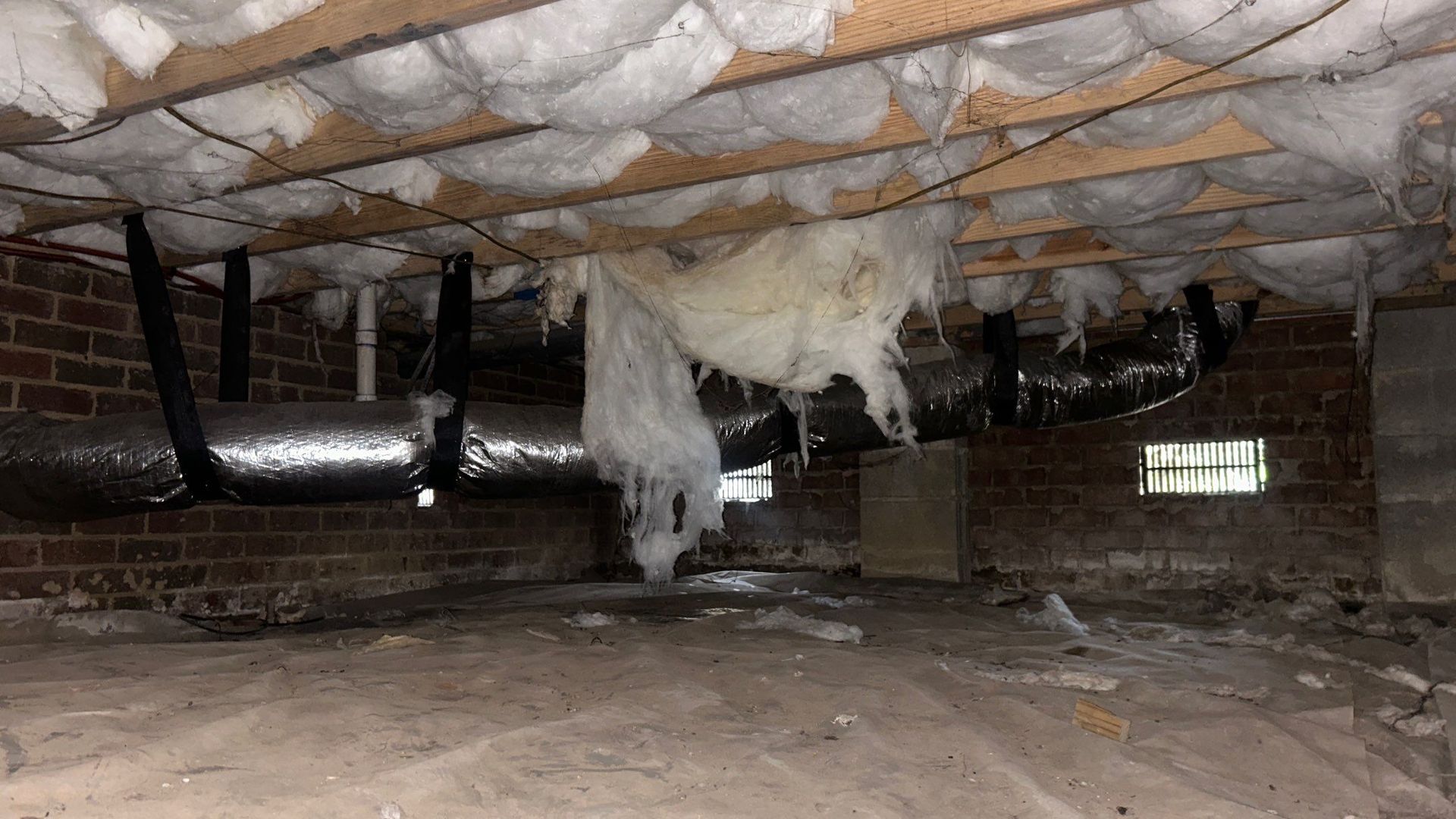
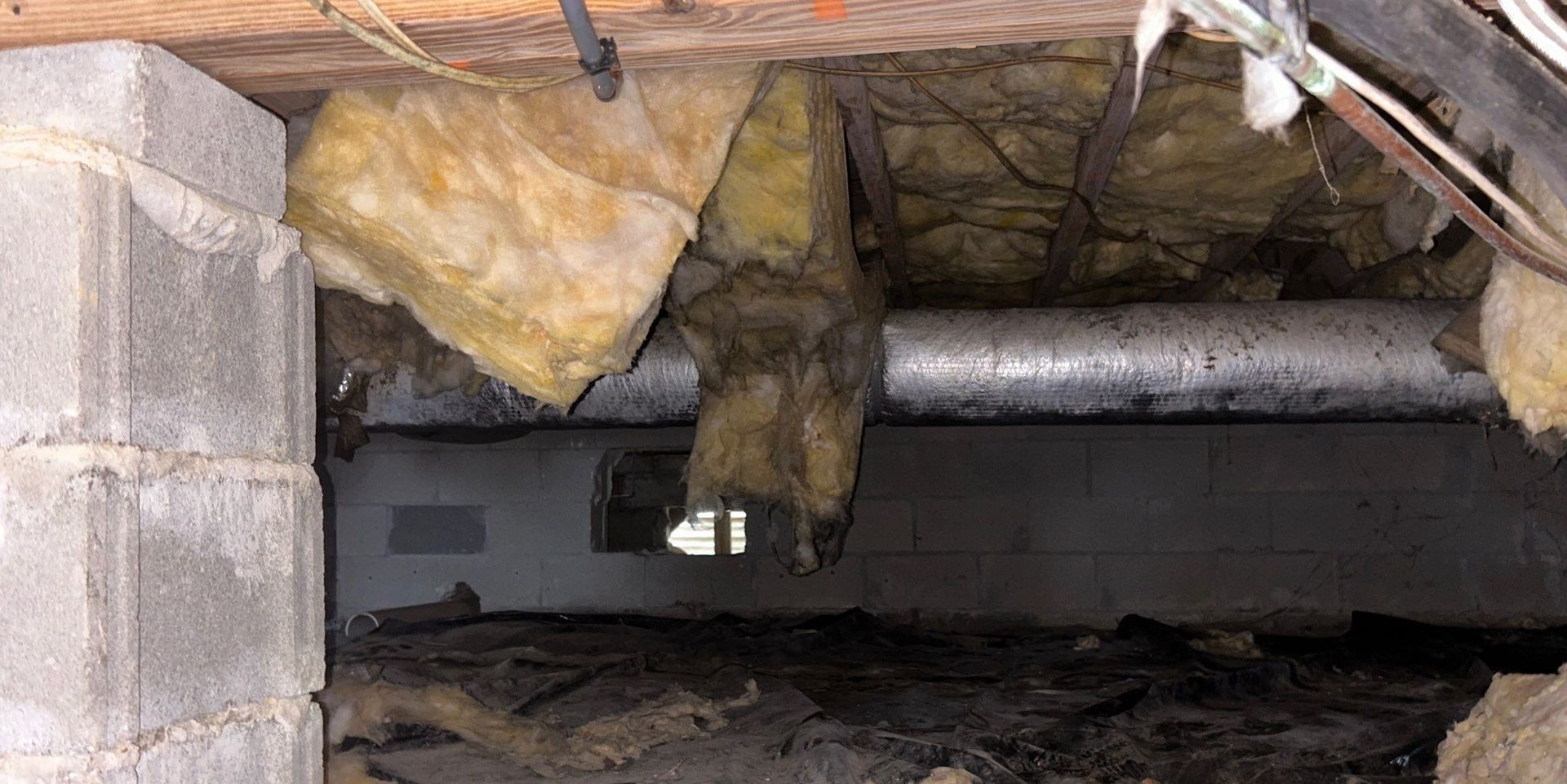
If you've discovered mold in your crawlspace, you may wonder whether it can affect the air quality inside your home. In many cases,
YES - it can.
Many homes naturally move air from the crawlspace into the living areas through a process commonly referred to as the
stack effect. As warm air rises and exits the upper portions of a home, it can draw air upward from the crawlspace. If mold growth or excessive moisture is present beneath the home, mold spores, elevated humidity, and musty odors may enter the living space and contribute to indoor air quality concerns.
Signs Your Crawlspace May Have a Moisture or Mold Problem
While these signs do not necessarily confirm the presence of mold, they may indicate excess moisture or conditions that support microbial growth:
- Persistent musty odors inside the home
- Sustained elevated indoor humidity (greater than 60% Relative Humidity)
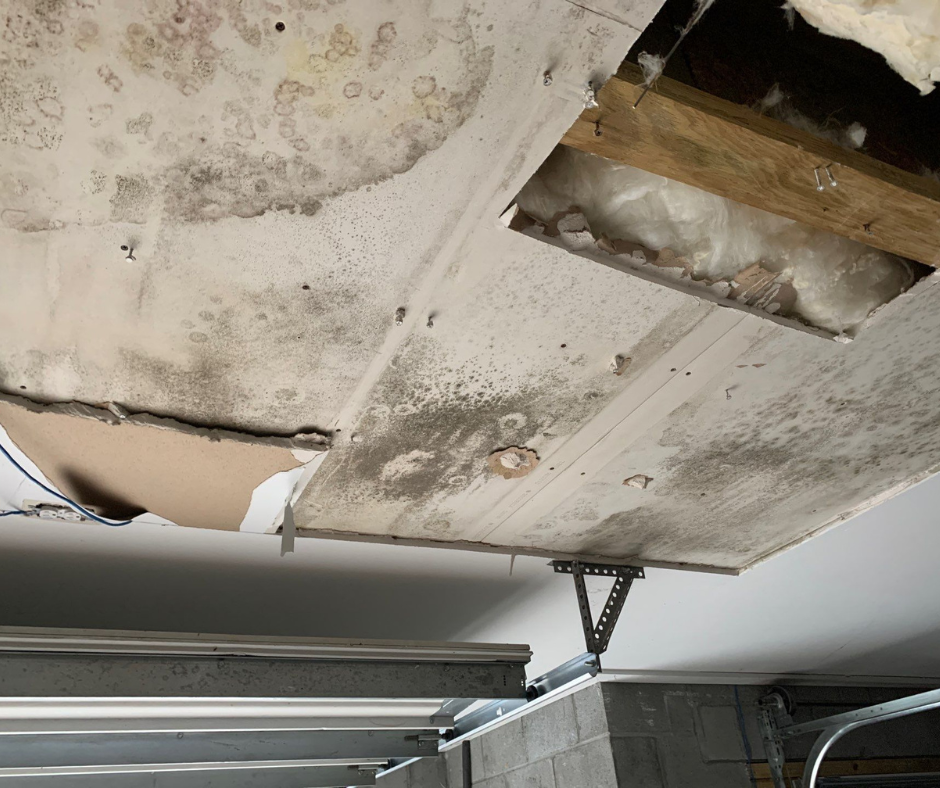
- Visible mold or mold/water staining near floor vents, baseboards, or crawlspace framing
- Damp, fallen, or deteriorated insulation
- Condensation or standing water beneath the home
A professional inspection is the best way to determine the cause and extent of the problem.
Why Does Mold Grow in Crawlspaces?
Mold requires moisture to grow. Common sources of moisture include:
- Poor site drainage around the foundation
- Plumbing leaks
- Sustained high relative humidity (over 60%)
- Ground moisture or standing water
- Inadequate vapor barriers or moisture control systems
- Improper crawlspace ventilation
Unless the moisture source is corrected, mold growth may continue or reoccur after remediation.
Why Moisture Control Matters
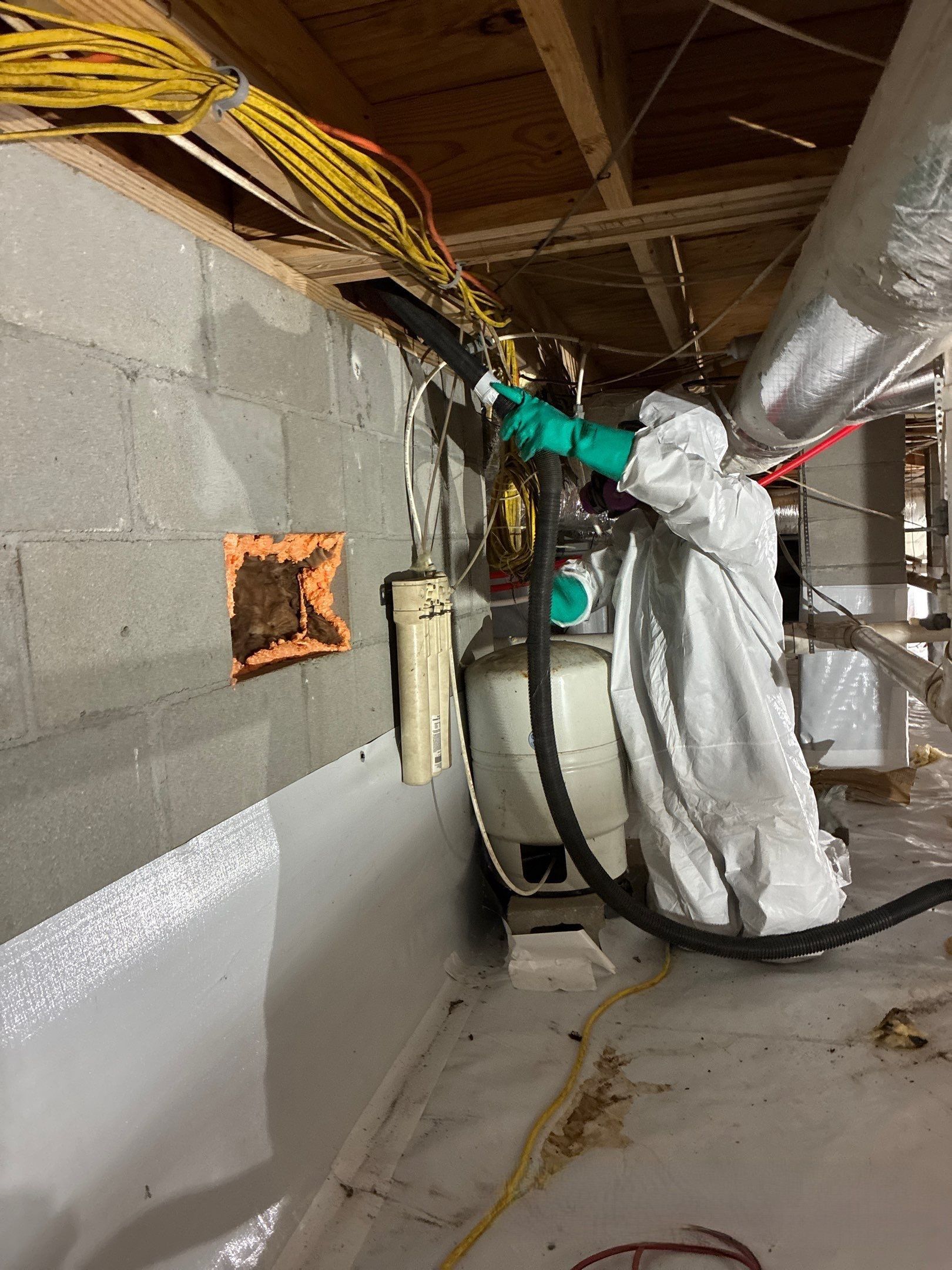
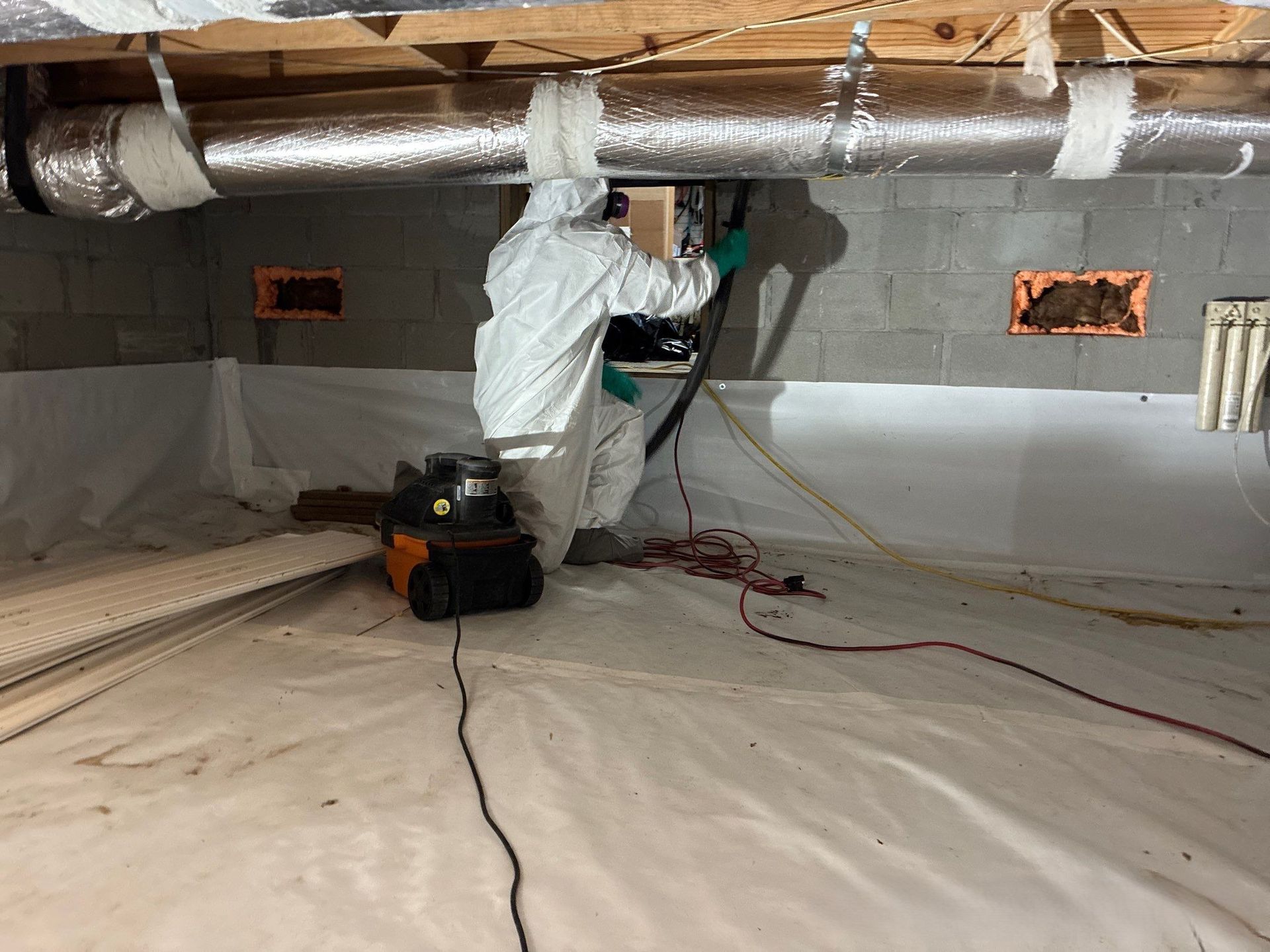
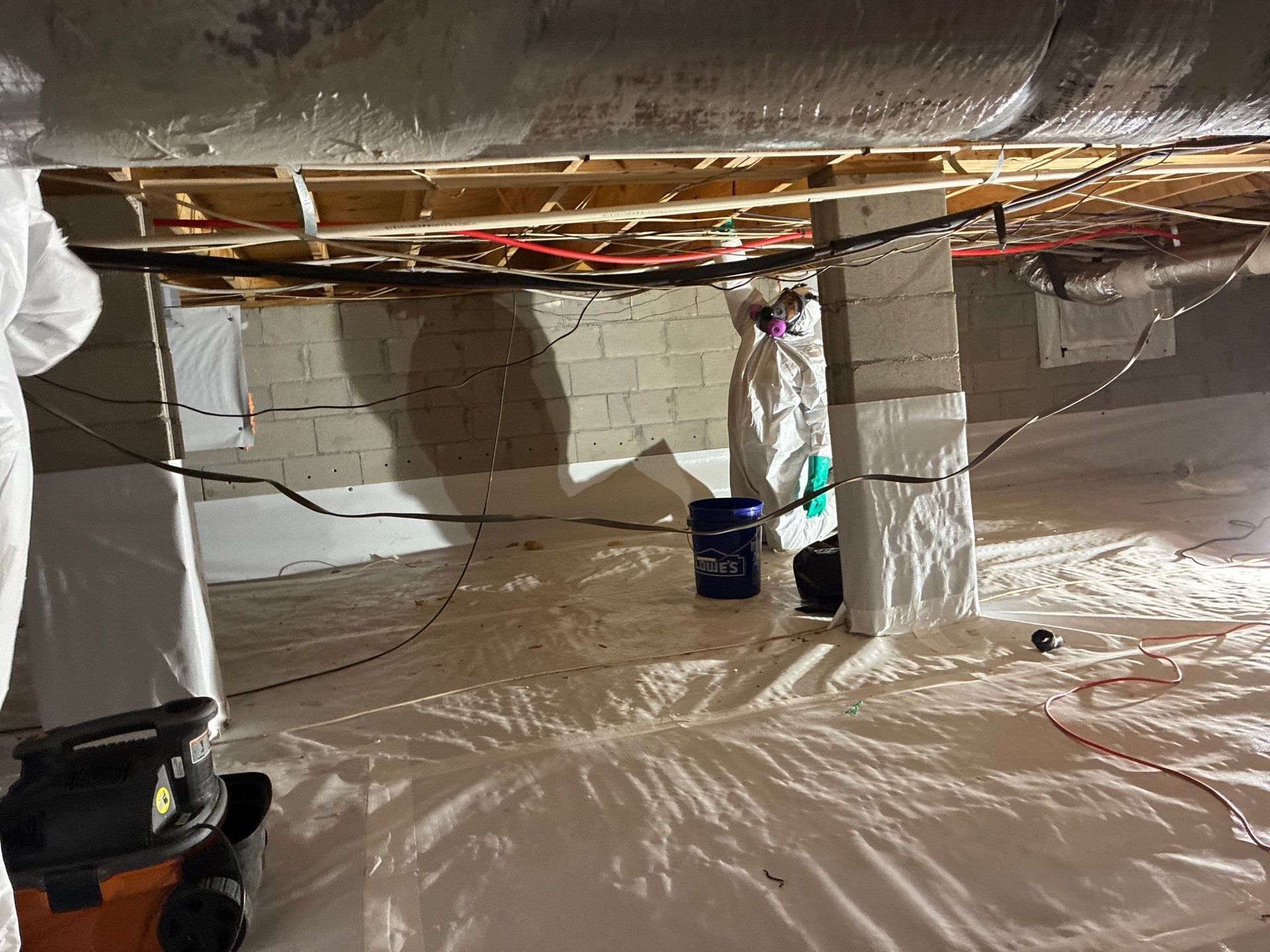
Effective mold remediation involves more than removing visible growth. Source removal is required in two ways. 1) the water source must be mitigated or removed (overflow, pipe leak/break, or high relative humidity), and 2) the mold spores (source of contamination) must be completely removed.
Industry standards emphasize identifying and correcting the underlying moisture source before remediation, as to not promote recurrence. Addressing moisture helps reduce the likelihood of recurring mold growth and supports long-term crawlspace stability.
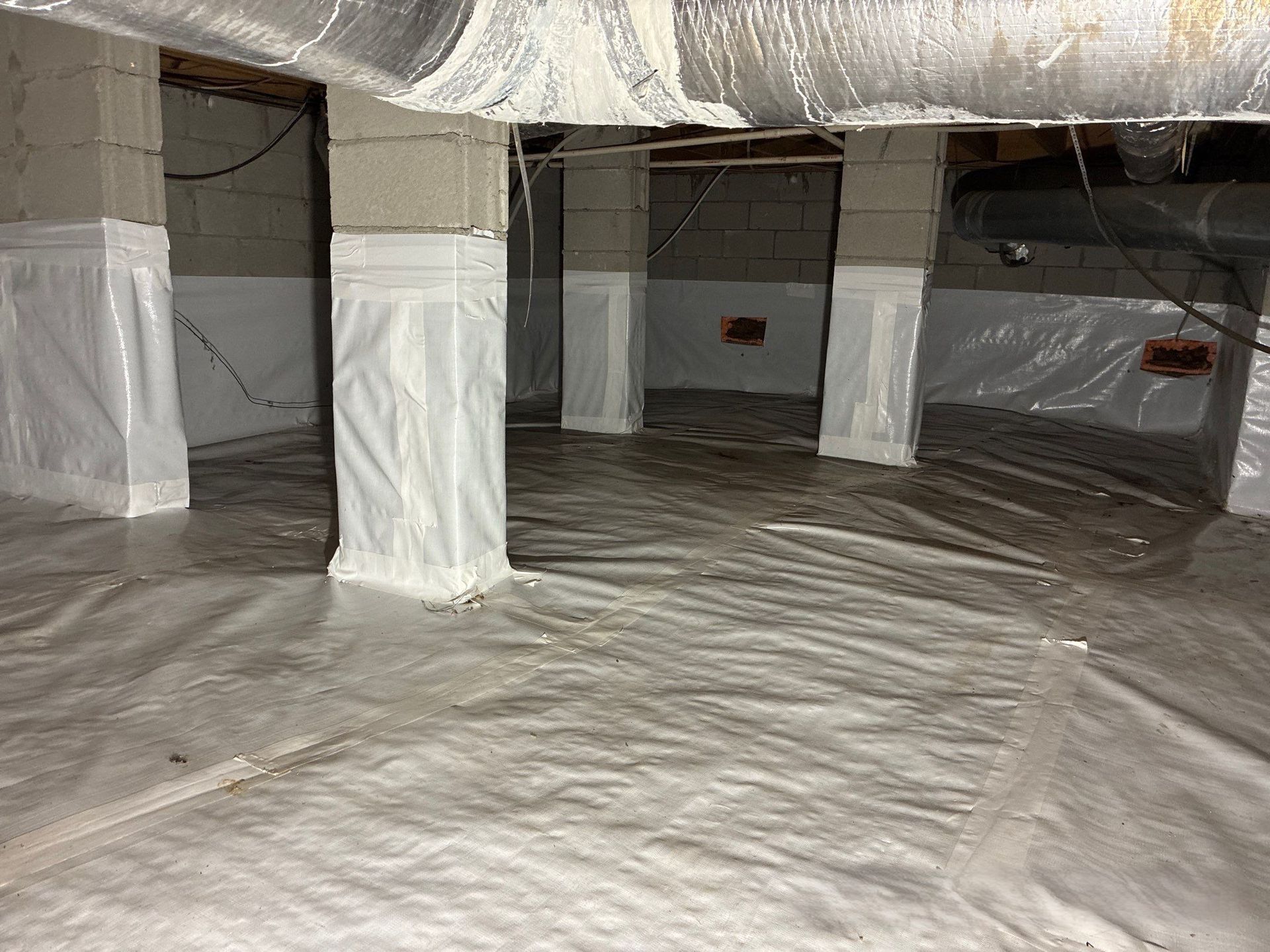
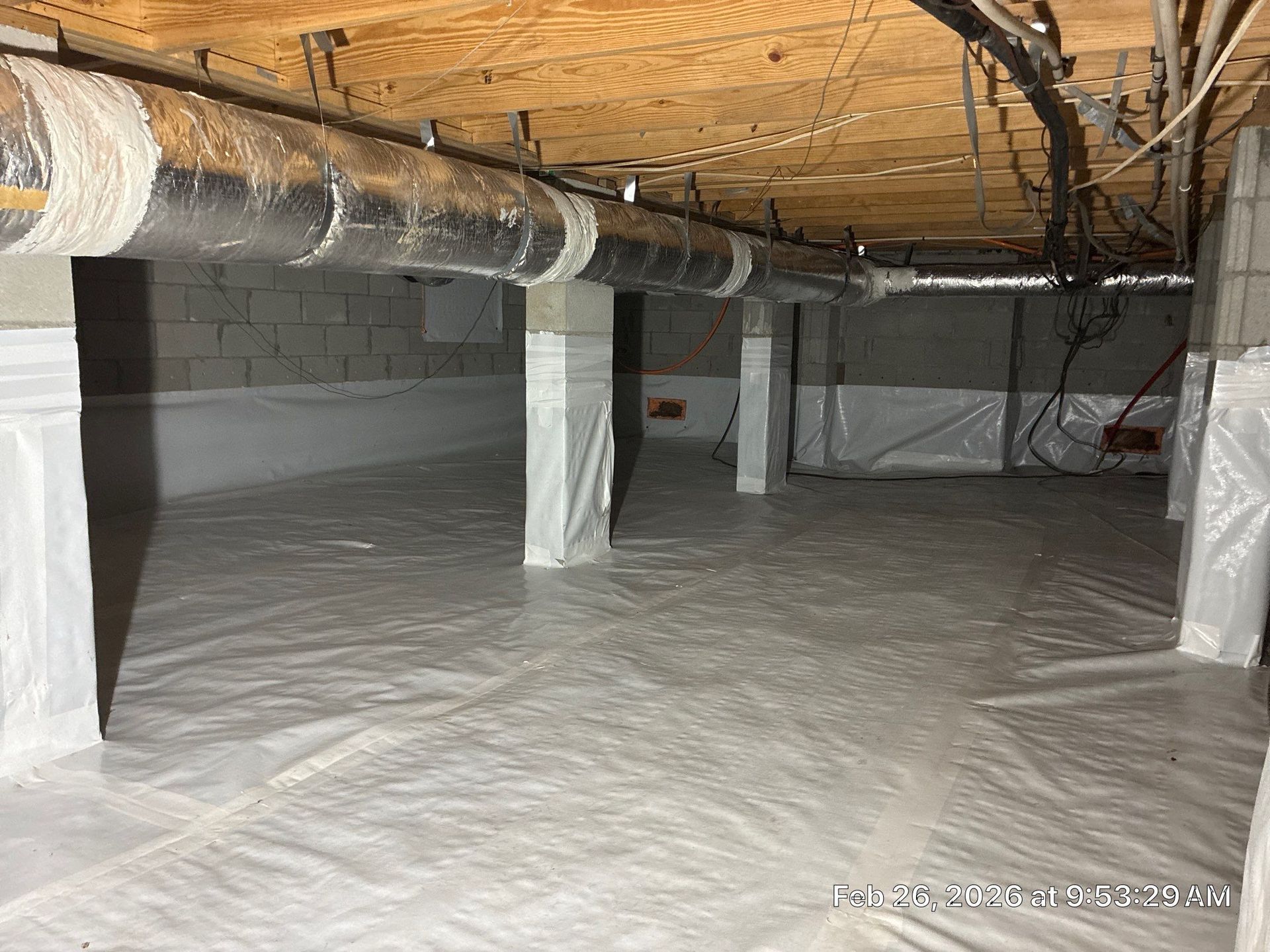
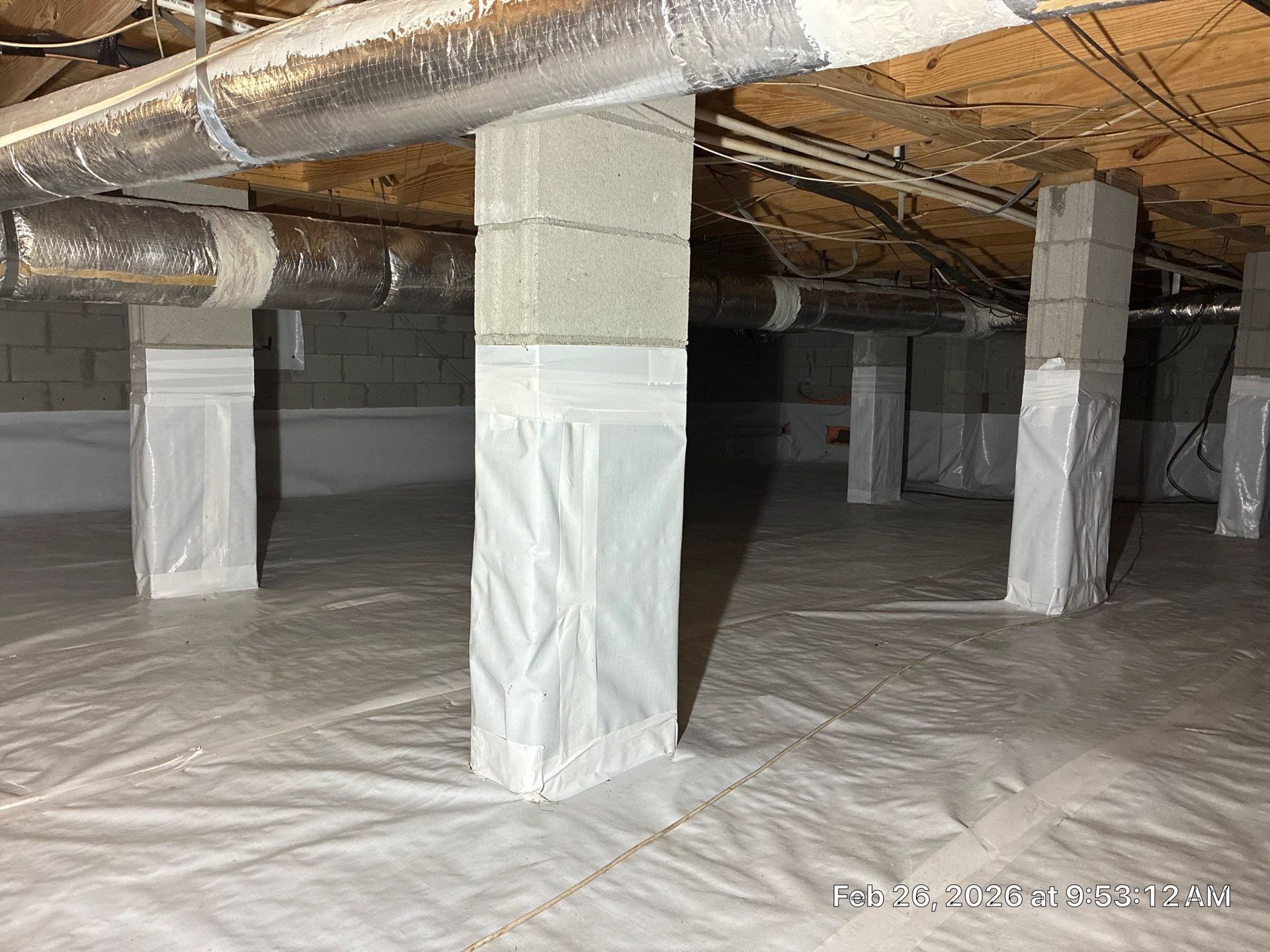
Depending on the property's conditions, solutions may include plumbing repairs, drainage improvements, vapor barriers, crawlspace encapsulation (with dehumidification), or other moisture control measures.
When Should You Have Your Crawlspace Inspected?
Consider scheduling a professional crawlspace inspection if you notice:
- Persistent musty odors
- Visible mold or suspected microbial growth
- Water intrusion or standing water
- High indoor relative humidity
- Signs of moisture damage beneath the home
- Concerns about the condition of your crawlspace following heavy rain or plumbing leaks
A qualified inspection can help determine whether moisture or mold is present and identify the most appropriate corrective measures.
How EAS Environmental Can Help
EAS Environmental provides the most detailed and well documented (photos, videos, and field notes) professional crawlspace inspections, mold remediation, moisture control, and crawlspace encapsulation services. Our team focuses on identifying the source of moisture, developing an appropriate repair plan, mitigation plan, and/or remediation plan, and helping property owners restore crawlspace conditions using industry-recognized restoration practices.
If you're experiencing musty odors, moisture issues, or suspect mold beneath your home, contact EAS Environmental to schedule a professional assessment.
Contact EAS Environmental Today!
EAS Environmental will do everything we can to ensure your experience with us is excellent.
Request A FREE Estimate
Request a Free Estimate Form
Checkout Recent Post

Got a Question? We’re Here to Help.
You can arrange an appointment or make an enquiry by phone or email, orget in touch to us via our contact form.