Dry and Protected: The Role of a Dehumidifier in Crawl Space Management
Spencer Turner • October 13, 2023

Welcome to our informative blog series, Dry and Protected: The Role of a Dehumidifier in Crawl Space Management. In this series, we'll delve into the vital function that dehumidifiers play in maintaining optimal conditions within crawl spaces. From understanding the reasons behind high humidity levels to exploring the benefits of dehumidification, join us as we uncover the valuable insights and expert advice necessary for creating a healthier, more comfortable living environment by effectively managing crawl space moisture.


Maintaining a Dry Environment

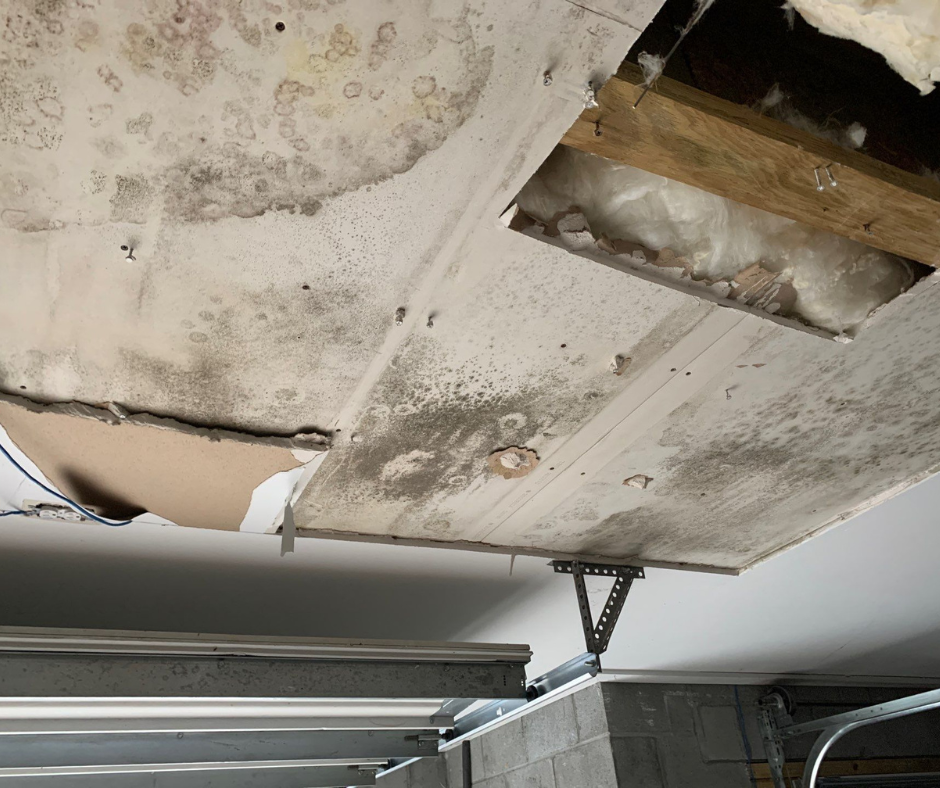
Maintaining a dry environment in your crawl space is essential for preventing a range of issues that can arise from excess moisture. High humidity levels and moisture accumulation can lead to mold growth, wood rot, structural damage, and even contribute to poor indoor air quality. To combat these problems, implementing effective moisture management strategies, such as using a dehumidifier, becomes crucial.


A dehumidifier plays a pivotal role in
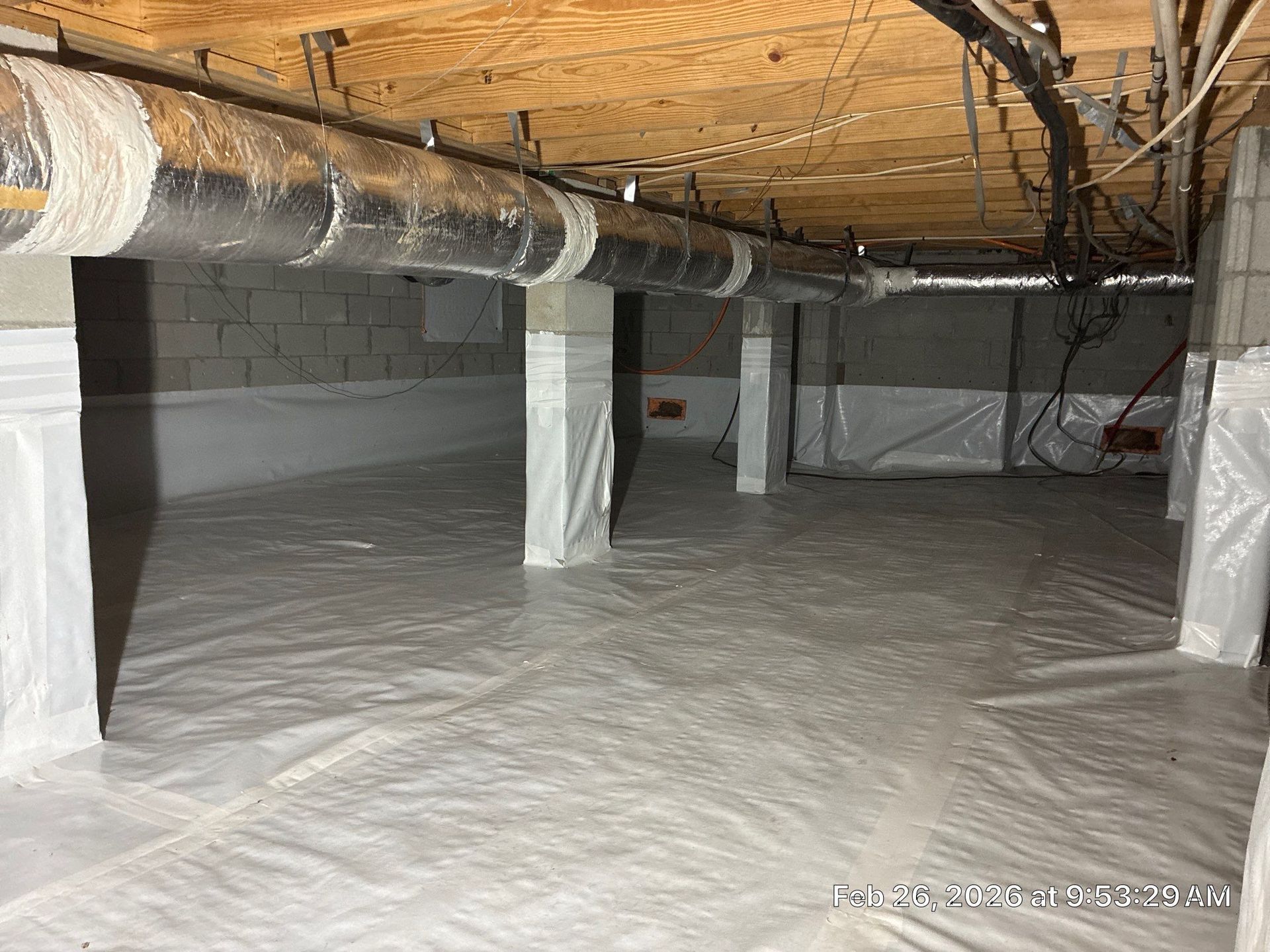
maintaining a dry crawl space by removing excess moisture from the air. It works by drawing in humid air, condensing the moisture, and releasing drier air back into the environment. This process not only prevents the growth of mold and mildew but also helps protect the structural integrity of your home's foundation and reduces the risk of health issues associated with poor air quality. By focusing on maintaining a dry environment in your crawl space, you're taking proactive steps towards safeguarding your home's longevity and creating a more comfortable living space for you and your family.

Controlling Humidity

Controlling humidity is a fundamental aspect of crawl space management that significantly impacts the overall health of your home. High humidity levels can create an environment conducive to mold growth, wood decay, and even attract pests. To address these issues, effective humidity control measures, including the use of a dehumidifier, are essential.


A dehumidifier plays a key role in controlling humidity by removing excess moisture from the air, preventing it from accumulating in your crawl space. By maintaining optimal humidity levels, typically between 30% to 50%, you not only prevent the growth of harmful mold and mildew but also improve the air quality throughout your home. Moreover, effective humidity control contributes to energy efficiency, as damp air requires more energy to heat or cool. Embracing humidity control as part of your crawl space management strategy ensures a healthier living environment, enhances structural integrity, and reduces the risks associated with excessive moisture in your home.

Humidity Control Benefits: Why Your Crawl Space Needs a Dehumidifier

Humidity control is a critical factor in maintaining the health and integrity of your crawl space, and incorporating a dehumidifier can offer a range of significant benefits. Excessive humidity can lead to a host of problems, including mold growth, wood rot, and even attracting pests that thrive in damp environments. By installing a dehumidifier, you're taking proactive steps to mitigate these issues and create a drier, more controlled environment.


A dehumidifier not only prevents the growth of mold and mildew but also helps protect the structural elements of your home. By reducing moisture levels, you reduce the risk of wood decay and corrosion, ensuring the longevity of your home's foundation and components. Additionally, a dehumidified crawl space promotes better indoor air quality throughout your home, as the air that circulates from the crawl space to your living spaces remains drier and less likely to carry allergens or odors. Embracing humidity control through the use of a dehumidifier is an investment that pays off in terms of improved air quality, reduced maintenance costs, and a more comfortable living environment for you and your family.

FAQs

  • Why is crawl space management important?

    Crawl space management is crucial because it directly affects the health and structural integrity of your home. Proper management prevents issues like mold growth, wood decay, and structural damage that can arise from excess moisture and humidity.

  • How does excess moisture impact crawl spaces?

    Excess moisture in crawl spaces can lead to a variety of problems, including mold and mildew growth, wood rot, corrosion, and pest infestations. It can also compromise indoor air quality and negatively affect the efficiency of your home's heating and cooling systems.

  • What role does a dehumidifier play in crawl space management?

    A dehumidifier plays a vital role in crawl space management by removing excess moisture from the air, maintaining optimal humidity levels, and preventing the growth of mold and mildew. It helps protect your home's structural integrity, improves air quality, and reduces the risk of health issues related to poor indoor air.

  • What are the benefits of using a dehumidifier in crawl spaces?

    Using a dehumidifier in crawl spaces offers several benefits, including preventing mold growth, protecting structural components, improving energy efficiency, and enhancing indoor air quality throughout your home.

  • Can I install a dehumidifier in my crawl space as a DIY project?

    Installing a dehumidifier in a crawl space can be a DIY project for some homeowners. However, factors like crawl space size, existing moisture levels, and potential challenges such as proper drainage or ventilation might require professional assistance.

Telephone receiver with a speech bubble containing three dots.

Contact EAS Environmental Today!

EAS Environmental will do everything we can to ensure your experience with us is excellent.

CALL US NOW

Request A FREE Estimate

Request a Free Estimate Form

Checkout Recent Post
By Spencer Turner January 23, 2026
When people hear the word “asbestos,” it can feel intimidating—and for good reason. Asbestos-Containing Materials (ACMs) must be handled carefully, even when they’re considered non-friable. The key is experience, preparation, and strict control throughout the entire process. At EAS Environmental, we provide asbestos abatement services throughout both South Carolina and Georgia. We use the information we are given by the Client to come up with a stellar Scope of Work including engineering controls, removal/abatement protocols, and disposal methods. Our goal is to help you understand how professional abatement is planned, executed, and verified, so that you can make the right decision when deciding who to hire as an abatement contractor. Abstract: EAS Environmental completed a Class II, non-friable Category II asbestos abatement project at a commercial facility in Savannah, GA, involving the controlled removal of asbestos-containing Transite wall panels. In this case study, we will outline the process of how our team prepared the regulated area, used engineering controls like containment barriers and HEPA filtration, the methods we used in order to remove panels while intact, packaged waste correctly for disposal, and followed documentation and inspection procedures to ensure a safe, compliant close-out. This article emphasizes the importance of the amount of care that these types of abatement projects require.
By Spencer Turner December 2, 2025
In today’s world, we believe that true success comes from more than just business growth — it’s about giving back and making a real difference where we live and work. At EAS Environmental LLC, we’re proud to be a full-service disaster restoration and environmental remediation company based in the Charleston, South Carolina region. While our work focuses on restoration, abatement, and remediation, our mission goes far beyond that. Every project we take on is driven by a deeper purpose: to help build safer, healthier environments for our neighbors, especially those most vulnerable to environmental risks. Below we’ll explore how EAS Environmental is making a difference — and then identify five key pillars of corporate responsibility in action.
By Spencer Turner October 27, 2025
Restoration work can feel overwhelming—especially when you’re staring down the aftermath of a flood, fire, or hazardous material exposure. At EAS Environmental, we believe that transparency and trust are key. That’s why we’re pulling back the curtain on what a real restoration project looks like when you work with our team—from the first call to the final walkthrough. Our goal is to help you understand every step of the process, so you know exactly what’s happening and why. With decades of experience and a commitment to safety, we make sure your property is restored the right way—the first time. By the end, you’ll not only have a clean, safe space again but also the peace of mind that comes from knowing it was done properly. Abstract: A grease fire broke out in the kitchen of a Florence apartment, spreading smoke and soot to the walls, ceilings, and floors throughout the second-story residence. Just your typical fire mitigation job, right? Wrong; after some third-party sampling and laboratory analysis, Asbestos-Containing Materials (ACMs) were identified in the apartment. In this case study, we walk through how our company, EAS Environmental, handled the turn-key process of the asbestos abatement, and then rebuilding the property to its pre-loss condition. From navigating complex environmental regulations to coordinating restoration timelines, this project showcased the importance of expertise, communication, and precision in every phase. This article highlights how our team transformed an unexpected challenge into a seamless, compliant, and fully restored living space. The Situation: Fire Damages Disturb Asbestos Containing Materials The tenant accidentally started a grease fire in the kitchen of their second-story Florence apartment. The good news: no one was seriously injured. The bad news: the fire left behind significant damage – smoke and soot coating every surface in every room. Fire mitigation projects happen every day, but not all of them come with an unexpected condition lurking beneath the layers of soot and smoke.
By Spencer Turner September 15, 2025
It doesn’t take a massive fire to cause a lot of damage. In fact, even a small electrical fire can fill your entire home with thick smoke, leaving behind soot on surfaces and that stubborn burnt smell that just won’t go away. That’s exactly what happened in one home we recently worked on—and it’s a great example of how EAS Environmental steps in quickly with expert fire damage mitigation and structural cleaning services to make things right again
SEE MORE

Got a Question? We’re Here to Help.

You can arrange an appointment or make an enquiry by phone or email, orget in touch to us via our contact form.
CONTACT US TODAY