Mold:
it’s more than just an unsightly blotch on your walls—it’s a sneaky intruder that can compromise your health and home integrity before you even realize it’s there. At EAS Environmental, we deal with this hidden hazard head-on, combining expertise and empathy to restore safety and comfort to your spaces. Today, we'll dive into the nitty-gritty of mold—what it is, where it lurks, and why it’s a problem—plus, we'll share how our team ensures your environment remains healthy and wholesome.
What is Mold?
Mold is a fungus that grows in the form of multicellular filaments called hyphae. It thrives in damp, warm conditions, silently spreading its spores through your air. It’s a common issue in homes and businesses, especially in places where moisture likes to hide. Whether it's lurking behind your bathroom tiles or festering in the basement, mold is more than an aesthetic issue—it's a health hazard.
Types of Mold Commonly Found in Homes and Businesses
Identifying mold can sometimes feel like a game of hide and seek with high stakes. It might appear as a fuzzy growth on surfaces or emit a musty, earthy smell that screams dampness. The most common types of mold found in indoor environments include:
Aspergillus: Often found in air conditioning systems and on foods, this mold can cause allergic reactions and respiratory infections.
Cladosporium: This type prefers cooler areas and can be found on fabrics and woods. It’s known to trigger asthma and allergies.
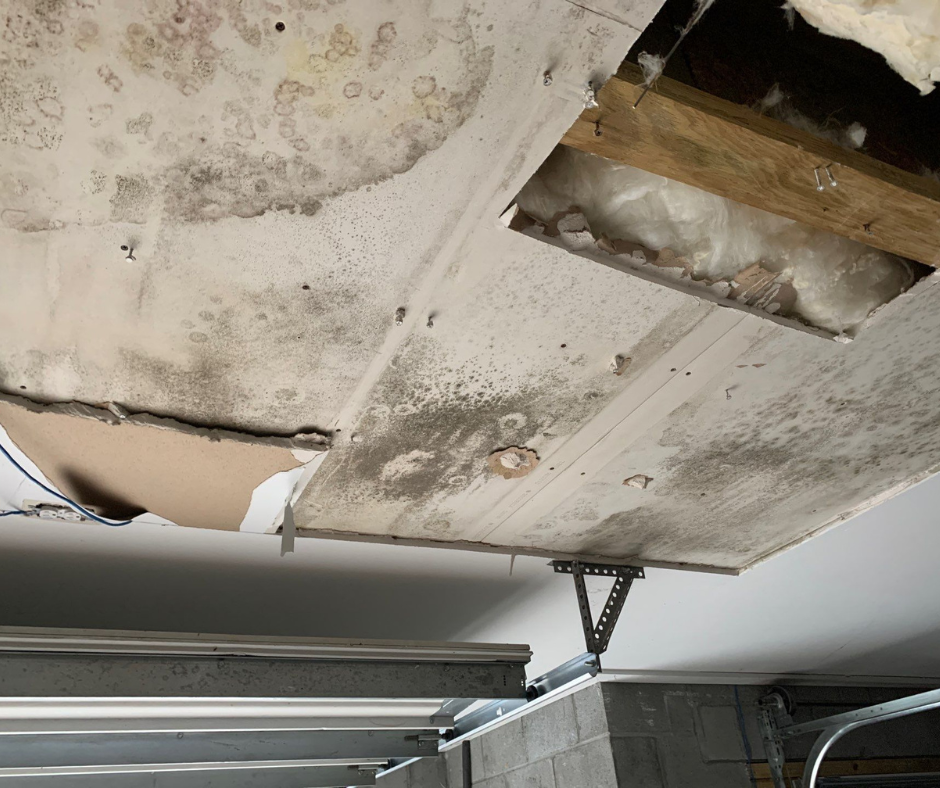
Stachybotrys (black mold): Notorious for its toxicity, black mold grows on materials with high cellulose content such as drywall and insulation that have been exposed to moisture. It produces mycotoxins that can cause severe health problems.
Health risks associated with molds
Exposure to mold can lead to various health problems, which can be minor or severe depending on the duration of exposure and the individual's sensitivity. From allergic reactions and respiratory problems to more complicated health risks, mold's potential impact on well-being is significant, especially for those with compromised immune systems or existing respiratory conditions.
Allergic Reactions: Many people are allergic to mold. Symptoms can include sneezing, runny nose, red eyes, and skin rash (dermatitis). Mold allergies can provoke asthma attacks in people with asthma who are allergic to mold.
Irritation: Even in non-allergic individuals, mold can irritate the eyes, skin, nose, throat, and lungs, leading to discomfort and respiratory issues.
Toxic Effects: Certain molds produce mycotoxins that can be very harmful even in small quantities. Long-term exposure to these toxins can lead to neurological problems and death. The infamous black mold (Stachybotrys) is a well-known producer of these dangerous toxins.
Infections: People with weakened immune systems, such as those undergoing cancer treatments, taking immunosuppressant drugs, or living with HIV/AIDS, can suffer from serious infections from mold.
Sources: Centers for Disease Control and Prevention (CDC), Environmental Protection Agency (EPA), Institute of Medicine (IOM)
And while spotting mold might prompt a quick DIY cleanup, understanding when to call in professionals is crucial, especially when extensive areas are affected by toxic molds.
How EAS Environmental Handles Mold Remediation
1. Effective Containment: To prevent mold spores from spreading, we isolate the affected area using physical barriers and establish negative air pressure zones.
2. Air Filtration: HEPA filters are employed to cleanse the air of spores and other particulates, improving indoor air quality.
3. Mold Removal and Material Disposal: All mold-affected materials are safely removed and disposed of following health and safety guidelines to avoid cross-contamination.
4. Comprehensive Cleaning and Sanitization: Areas affected by mold are thoroughly cleaned using antimicrobial and antifungal treatments to eliminate remaining spores and prevent recurrence.
5. Source removal- We use HEPA Vacuums to remove all sources of mold from the affected area. This includes the extraction of deeply embedded spores within porous surfaces and ensuring all mold colonies are removed from the premises.
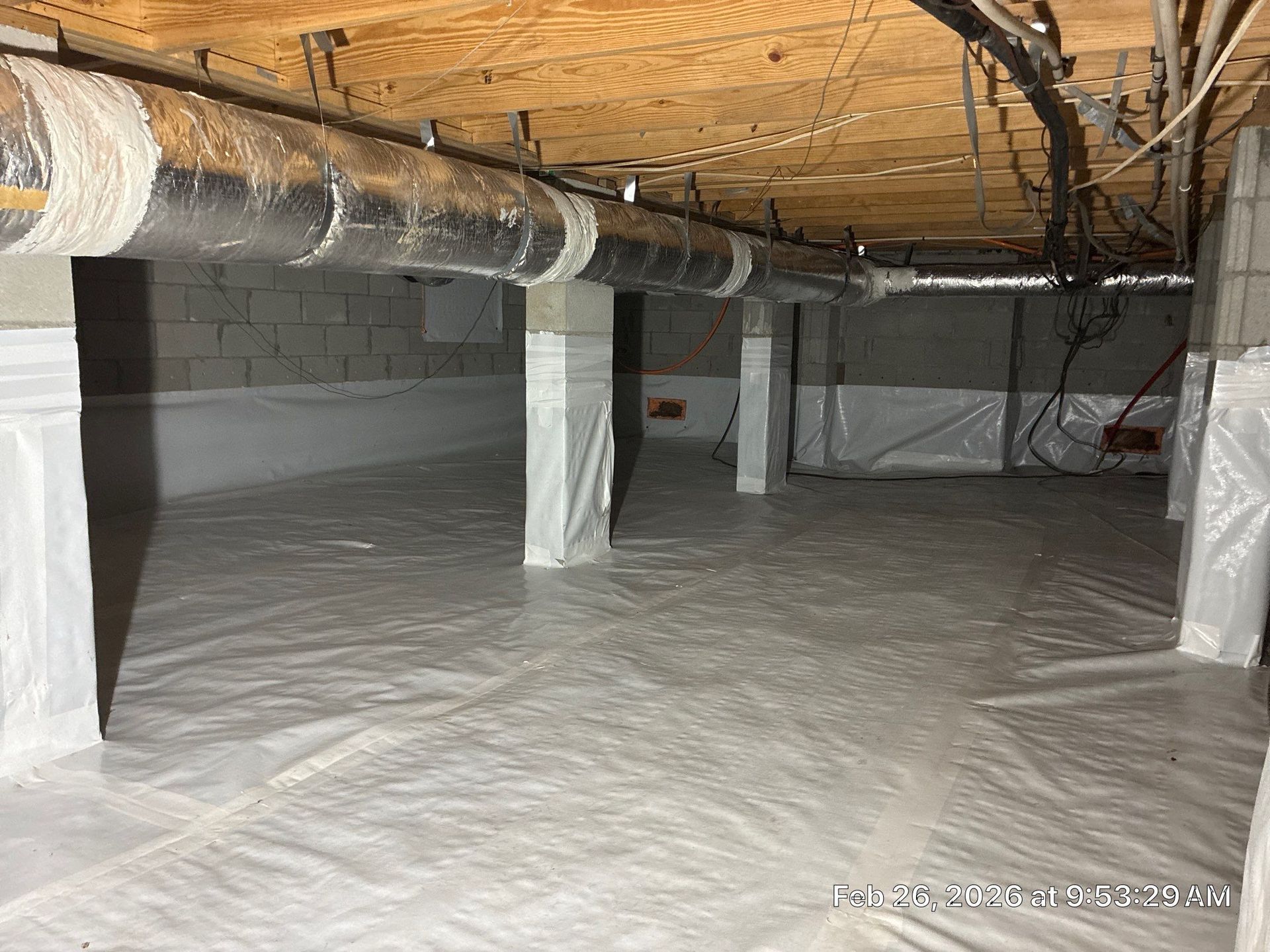
6. Restoration and Prevention: We restore the affected area to its original pre-loss condition and advise on how to prevent excessive mold growth, focusing on humidity control and proper ventilation.
Conclusion
But our job doesn’t stop at mold removal. We’re committed to educating our clients on preventing future mold issues, focusing on maintaining adequate ventilation, managing humidity, and spotting early signs of moisture problems. After all, the best defense against mold is a strong offense, and knowing how to keep your environment dry and airy is key. Mold might be a formidable opponent, but with EAS Environmental on your side, you have all the expertise and support you need to maintain a clean, healthy living or working space. Remember, when it comes to mold, you’re not alone. We're here to help ensure your environment is a safe haven, giving you peace of mind and a clean space to enjoy.
Contact EAS Environmental Today!
EAS Environmental will do everything we can to ensure your experience with us is excellent.
Request A FREE Estimate
Request a Free Estimate Form
Checkout Recent Post
Got a Question? We’re Here to Help.
You can arrange an appointment or make an enquiry by phone or email, orget in touch to us via our contact form.