“Delivering Trust Behind the Scenes: How EAS Supports Restoration Companies as a Top-Tier Subcontractor”
Spencer Turner • June 26, 2025

In the restoration industry, your name is everything. Reputation, reliability, and results drive your success — and that’s exactly why restoration companies across South Carolina choose EAS Environmental as their trusted subcontractor.

We understand the pressure restoration firms face: tight timelines, unpredictable scopes, complex compliance standards, and demanding client expectations. When you need a partner who enhances — not hinders — EAS delivers quietly, powerfully, and professionally.


Our Role: Subcontractor, Not Competitor

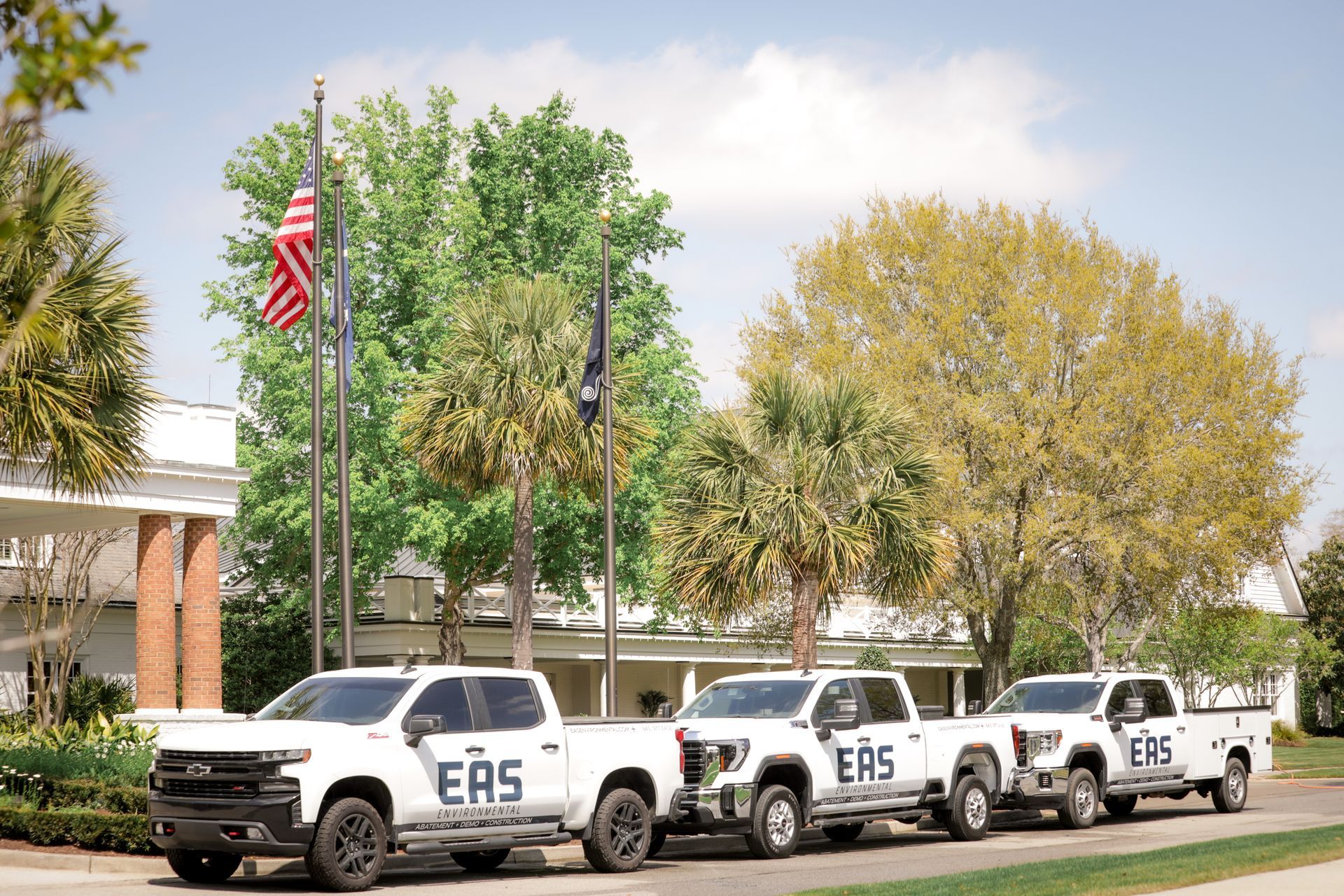
At EAS, we don’t compete with you — we complement you. Our entire subcontractor model is built around discretion, respect, and partnership. Whether we show up unbranded or in your company’s gear, we act as an extension of your team. Our goal is simple: protect your reputation while helping you deliver quality work.

We specialize in:

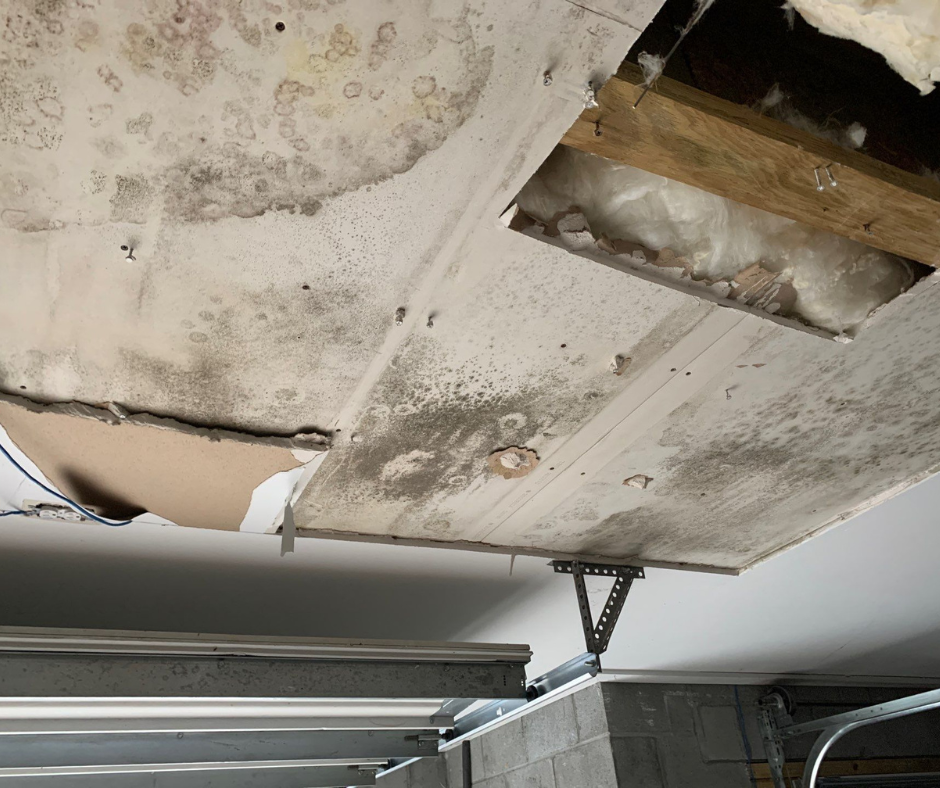
  • Mold remediation
  • Water and fire damage mitigation 
  • Asbestos and lead abatement

Environmental cleaning & hazardous material handling

Our certified supervisors and technicians arrive trained, equipped, and aligned with your project goals.

How We Perform: High Standards, Every Time

Restoration companies trust us because we meet and exceed industry standards. Our field crews are IICRC-certified and follow protocols based on the S500 and S520 standards, as well as state/federal regulations. Every job is handled with precision — from detailed scope of work documentation to final clearance testing.

Our performance pillars include:

  • Fast mobilization — Especially critical during CAT events and large-loss emergencies
  • Clear reporting — So you always know where your project stands
  • Consistent quality — Regardless of job size or location
  • Specialized equipment — negative air machines, negative pressure containment, HEPA vacs, and decontamination units

We don’t cut corners. Our clients know we show up ready — and stay accountable to the end.

How We Maintain Relationships: Integrity, Communication, and Loyalty

We value long-term partnerships over short-term gains. That means we work hard to earn and maintain the trust of every one of our partners, and the clients they serve.

We know that when you call us in, you’re trusting us with your reputation. We don’t take that lightly — and we perform to the highest standards.


Dance with Who Brought You

At EAS, loyalty is a core value. We believe in sticking with the partners who trust us — not just when it’s easy, but always. Like the saying goes: when you go to the dance with someone, you don’t leave them for someone else once you get there. We apply that same principle to our business relationships.

EASE will always focus on doing the right thing by the partners we work with. That means:

  • Clear Communication: We provide timely updates, scheduling details, and changes so you’re never in the dark.

  • Unbranded Support: We follow your lead when interacting with clients. Our role is to support your team, not take the spotlight.

  • Familiar Crews: When possible, we assign the same technicians to repeat partners to keep things efficient and consistent.

  • Professional Behavior: Our team arrives on time, follows all safety protocols, and treats each job site with respect.

EASE will never chase convenience or short-term gains. We prioritize long-term partnerships and back that up with consistent, reliable service.

The Bottom Line: We’re Your Behind-the-Scenes Partner for Success

In a high-stakes industry where deadlines are tight and standards are high, EAS Environmental is the subcontractor you can rely on. We’re proud to work with restoration companies who care about quality and client satisfaction — and we’re here to make sure you shine.

Whether you need extra support during busy seasons, help with hazardous materials, or a partner on large-scale jobs, we’re here to help.


Reach out to Evan or Spencer today to get started.
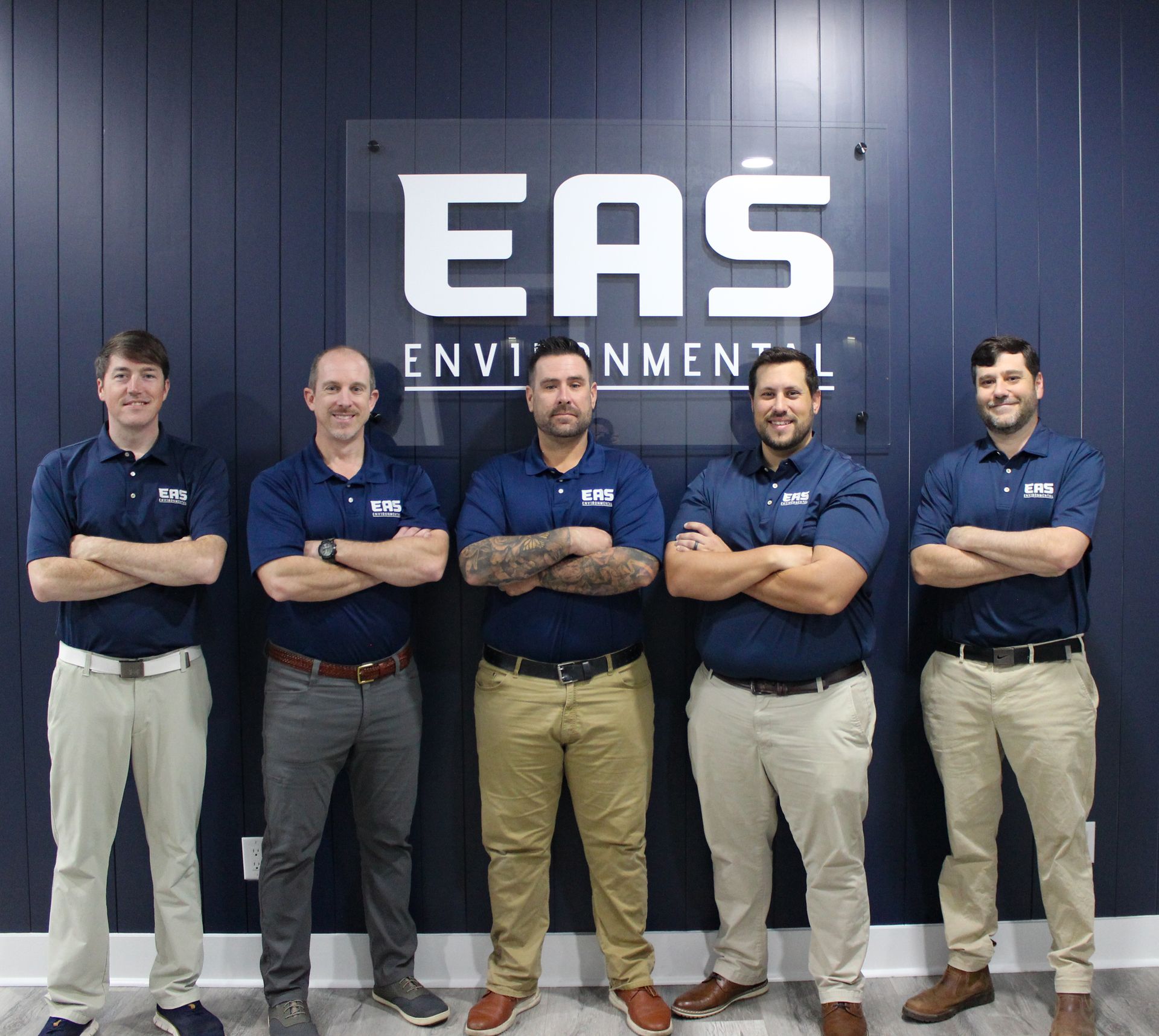

Contact EAS Environmental Today!

EAS Environmental will do everything we can to ensure your experience with us is excellent.

CALL US NOW

Request A FREE Estimate

Request a Free Estimate Form

Checkout Recent Post
By Spencer Turner December 2, 2025
In today’s world, we believe that true success comes from more than just business growth — it’s about giving back and making a real difference where we live and work. At EAS Environmental LLC, we’re proud to be a full-service disaster restoration and environmental remediation company based in the Charleston, South Carolina region. While our work focuses on restoration, abatement, and remediation, our mission goes far beyond that. Every project we take on is driven by a deeper purpose: to help build safer, healthier environments for our neighbors, especially those most vulnerable to environmental risks. Below we’ll explore how EAS Environmental is making a difference — and then identify five key pillars of corporate responsibility in action.
By Spencer Turner October 27, 2025
Restoration work can feel overwhelming—especially when you’re staring down the aftermath of a flood, fire, or hazardous material exposure. At EAS Environmental, we believe that transparency and trust are key. That’s why we’re pulling back the curtain on what a real restoration project looks like when you work with our team—from the first call to the final walkthrough. Our goal is to help you understand every step of the process, so you know exactly what’s happening and why. With decades of experience and a commitment to safety, we make sure your property is restored the right way—the first time. By the end, you’ll not only have a clean, safe space again but also the peace of mind that comes from knowing it was done properly. Abstract: A grease fire broke out in the kitchen of a Florence apartment, spreading smoke and soot to the walls, ceilings, and floors throughout the second-story residence. Just your typical fire mitigation job, right? Wrong; after some third-party sampling and laboratory analysis, Asbestos-Containing Materials (ACMs) were identified in the apartment. In this case study, we walk through how our company, EAS Environmental, handled the turn-key process of the asbestos abatement, and then rebuilding the property to its pre-loss condition. From navigating complex environmental regulations to coordinating restoration timelines, this project showcased the importance of expertise, communication, and precision in every phase. This article highlights how our team transformed an unexpected challenge into a seamless, compliant, and fully restored living space. The Situation: Fire Damages Disturb Asbestos Containing Materials The tenant accidentally started a grease fire in the kitchen of their second-story Florence apartment. The good news: no one was seriously injured. The bad news: the fire left behind significant damage – smoke and soot coating every surface in every room. Fire mitigation projects happen every day, but not all of them come with an unexpected condition lurking beneath the layers of soot and smoke.
By Spencer Turner September 15, 2025
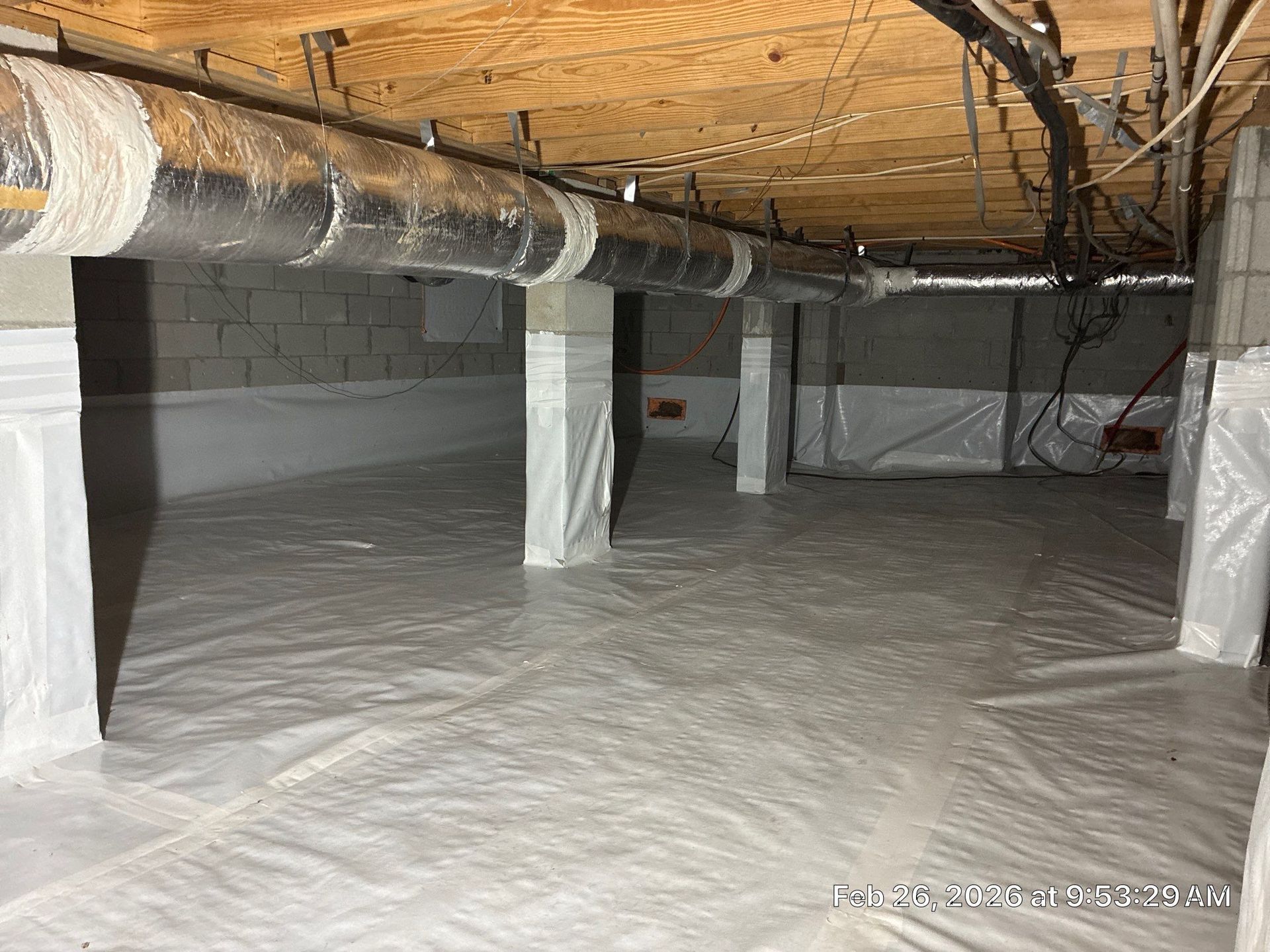
It doesn’t take a massive fire to cause a lot of damage. In fact, even a small electrical fire can fill your entire home with thick smoke, leaving behind soot on surfaces and that stubborn burnt smell that just won’t go away. That’s exactly what happened in one home we recently worked on—and it’s a great example of how EAS Environmental steps in quickly with expert fire damage mitigation and structural cleaning services to make things right again
By Spencer Turner July 10, 2025
Asbestos was once hailed as a “miracle material” for its heat resistance, durability, and insulating capabilities. For decades, it was widely used in residential construction—especially in insulation, floor tiles, roofing materials, and textured ceilings. However, growing awareness of its severe health risks prompted a series of regulatory crackdowns. So, when was asbestos banned in homes? The answer isn’t straightforward—but knowing the history is essential for homeowners, renovators, and anyone living in a home built before 1990. Asbestos Use in Residential Construction: A Historical Overview Asbestos use in homes peaked between the 1930s and the 1970s. It was commonly found in: Insulation (especially around pipes and ducts) Vinyl (VCT) floor tiles and adhesives (mastic) Roofing shingles and flashing Cement siding (“transite”) Acoustic ceiling tiles Popcorn ceiling texture Joint compounds - like those found in typical drywall Cement products Although concerns about asbestos exposure surfaced as early as the 1960s, it wasn't until the late 1970s and 1980s that its use began to be seriously curtailed - but not eliminated. When Was Asbestos Banned? Contrary to popular belief, asbestos has not been fully banned in the United States. Instead, its use has been heavily restricted through a series of phased regulations: 1973: The EPA banned spray-applied asbestos-containing materials for fireproofing and insulation. 1977: The Consumer Product Safety Commission banned asbestos in wall patching compounds and artificial fireplace embers. 1989: The EPA issued a full ban under the Asbestos Ban and Phase-Out Rule—but it was largely overturned in 1991. Present Day: Many asbestos-containing materials are no longer manufactured or sold, but asbestos remains legal in certain products under strict regulation. Because of this phased and partial ban, asbestos-containing materials can still be found in homes built as late as the 1980s—and even later in some imported materials. How Do I Know If My Home Contains Asbestos? If your home was built before the mid-1980s, there's a high chance it may contain asbestos. However, asbestos is not dangerous unless it is disturbed and becomes airborne. Common risk scenarios include: Renovation or demolition of older homes Damage to aging building material DIY repairs involving insulation or flooring Professional asbestos inspection and testing are the only reliable ways to confirm its presence. Where Can Asbestos Still Be Found in Homes? Even homes built into the 1980s or early 1990s may contain asbestos. It’s often present in: Popcorn/textured ceilings Vinyl tiles and mastic adhesives Duct and pipe insulation Roofing and siding materials Joint compound used in drywall taping What EAS Environmental Can Do to Help At EAS Environmental, our certified professionals specialize in: Asbestos inspections and risk assessments Sample collection and laboratory testing Safe asbestos abatement and removal Post-removal air quality verification We adhere strictly to federal and state guidelines, ensuring that any asbestos-containing materials are handled safely and effectively. Don’t Take the Risk—Test Before You Renovate Whether you’re planning a renovation or simply want peace of mind, understanding your home's asbestos risk is crucial. Ignoring potential exposure can lead to serious health issues like mesothelioma, lung cancer, and asbestosis. Contact EAS Environmental today to schedule a professional inspection and safeguard your property and your health. FAQ – Common Asbestos Questions Q: Is asbestos still used today? A: Yes. Some imported products may legally contain asbestos (e.g., brake pads, roofing, gaskets). Q: Can I test for asbestos myself? A: DIY kits are available but unreliable. Disturbing the material could create a health risk. It is best to consult with a certified professional. Q: What’s the safest way to remove asbestos? A: Consult with licensed abatement specialists who follow EPA and OSHA standards. Q. Can I find asbestos on new homes? A: Yes. Some newer homes may still contain asbestos in imported materials, leftover stock, or legal non-friable products like certain floor tiles or roofing materials. References 1. U.S. Environmental Protection Agency (EPA) Asbestos Laws and Regulations: https://www.epa.gov/asbestos/asbestos-laws-and-regulations 2. Occupational Safety and Health Administration (OSHA) Asbestos Fact Sheet: https://www.osha.gov/sites/default/files/publications/OSHA3507.pdf 3. Consumer Product Safety Commission (CPSC) Banned Hazardous Products: https://www.cpsc.gov/Business--Manufacturing/Business-Education/Business-Guidance/Banned-Hazardous-Products 4. Agency for Toxic Substances and Disease Registry (ATSDR) Asbestos Toxicological Profile: https://wwwn.cdc.gov/TSP/ToxProfiles/ToxProfiles.aspx?id=30&tid=4 5. National Cancer Institute (NCI) – NIH Asbestos Exposure and Cancer Risk: https://www.cancer.gov/about-cancer/causes-prevention/risk/substances/asbestos/asbestos-fact-sheet 6. Environmental Working Group (EWG) Asbestos Nation Report: https://www.ewg.org/asbestos/
SEE MORE

Got a Question? We’re Here to Help.

You can arrange an appointment or make an enquiry by phone or email, orget in touch to us via our contact form.
CONTACT US TODAY